Wilfred
Edwards VC grave (15th February 1893 to 2nd January 1972)
Driving to the east coast I
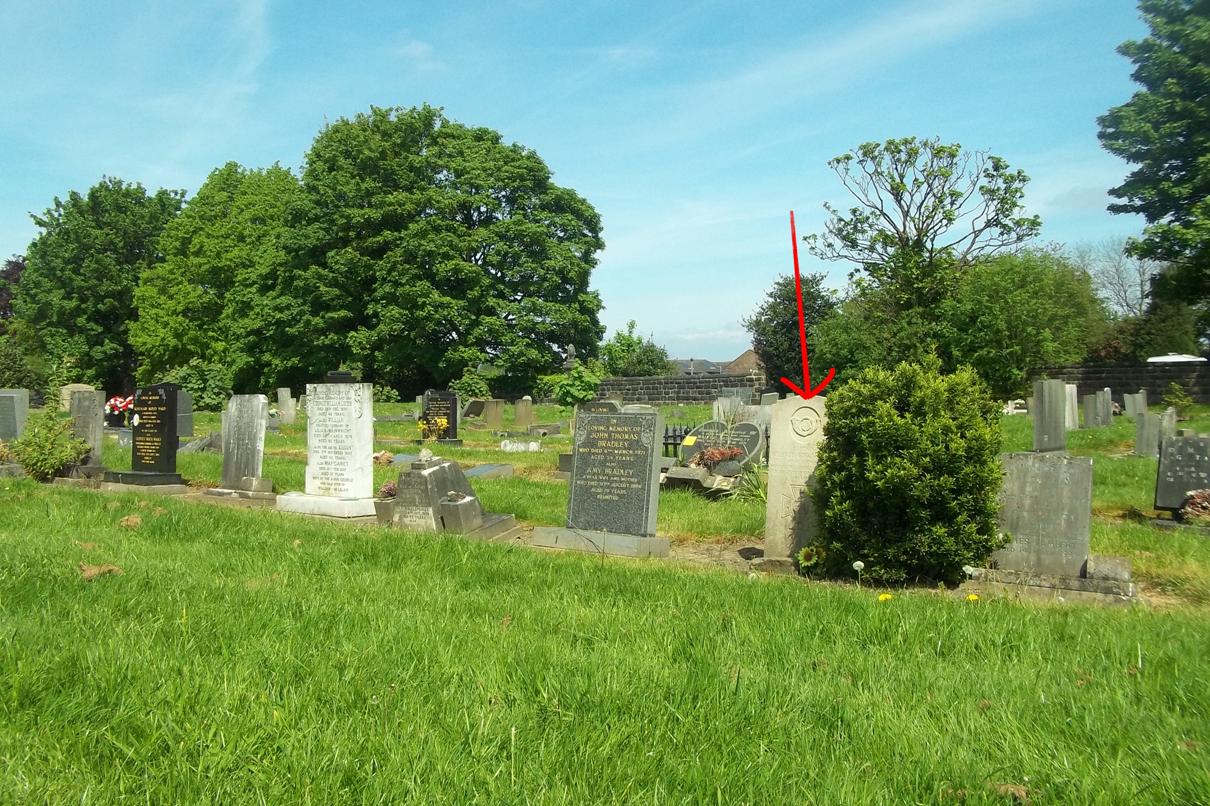
left the M62 motorway to find a tucked-away cemetery south west of Leeds city
(you can easily miss the entrance.) Here I am above the bones of another brave
man Wilfred Edwards. These Victoria Cross soldiers are always worth the time
and petrol.
Wilfred's parents had five children (one died)
but the split up probably due to financial problems. He and two sisters moved
with their mum from Norwich to Leeds. Following his dad’s footsteps he was
employed as a tailor and from the summer of 1914 as a miner at Waterloo Main
Colliery. World War One broke out and he joined the army and was sent to Albuhera Barracks in Aldershot for basic training.
Aged 22 he was sent to France to fight and
wounded enough to be evacuated to Hoddesdon Military
Hospital in Hertfordshire. Returning to fitness and duty he returned to the
front where he was wounded again. He was sent back to England to convalesce and
recover. Again he rejoined his unit to fight aged 24.
On Thursday 16th August 1917 he was fighting at Langemarck in Belgium. The battalion was trying to progress
forward but was held back by members of the German army who were heavily armed
and occupying a strong concrete fort. They were firing relentlessly from the
safety of arrow slits in the walls. Without hesitation and at great personal
risk Wilfred broke away from the unit and ran to the fort firing his rifle and
lobbing grenades. He expected to be cut down in second by a curtain of spraying
bullets but made it to the fort. He lobbed bombs through the loopholes and
surmounted the fort walls without being killed. He waved to his company to
advance and they took thirty-three prisoners. Later he did most valuable work
as a runner and eventually guided most of the battalion out through very
difficult ground. He was only a lowly Private with no hope of promotion.
He received a card from his Commanding Officer
congratulating him on his “fine behaviour” but he wrote to his wife in
frustration: “Men in my battalion keep getting honours, but I have not heard a
word about mine.” His wife was besieged by reporters following the announcement
of his VC but insisted she knew no details of his action.
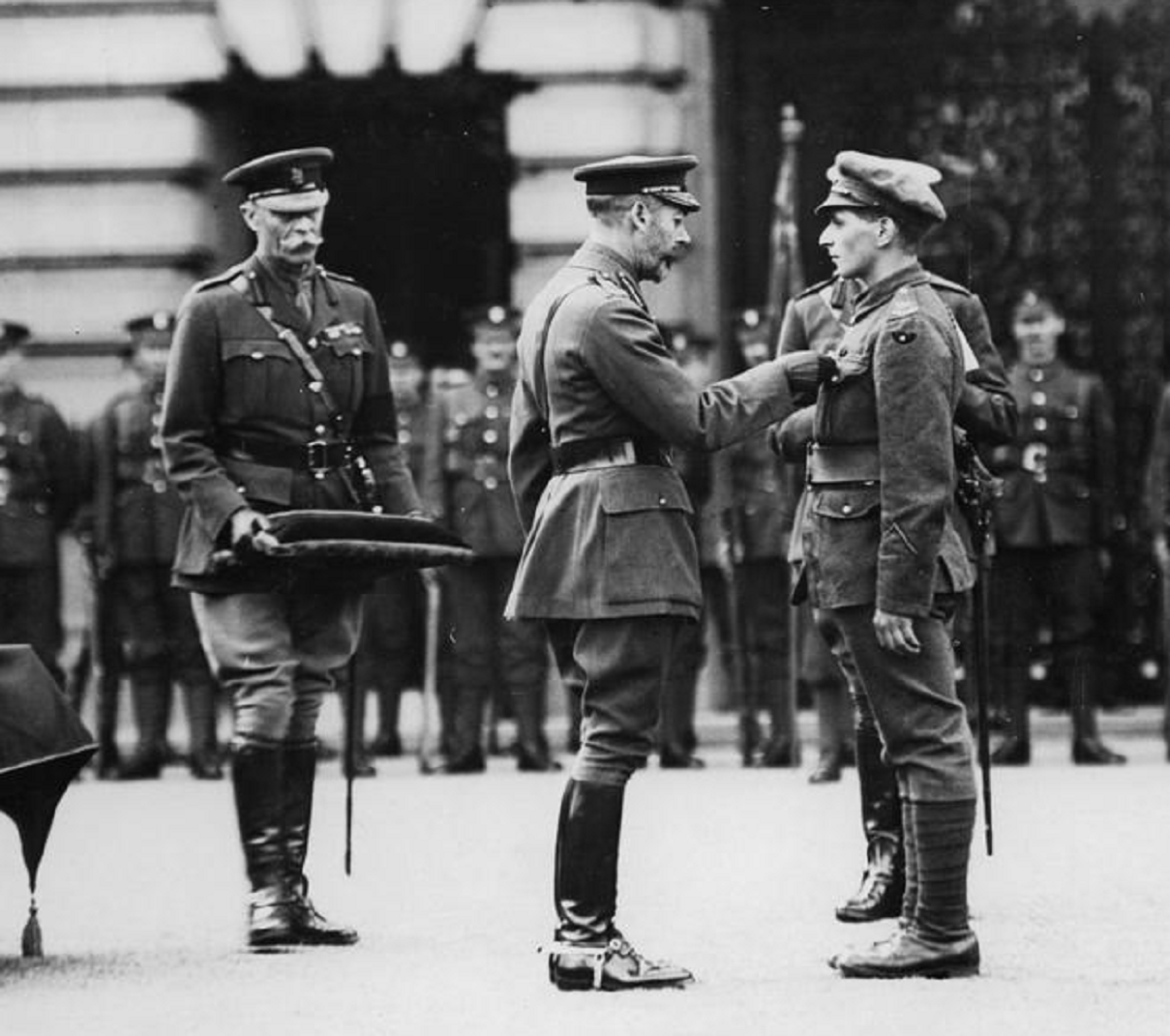
Returning home the news of Wilfred’s unlikely
survival leaked out he was invited to Buckingham Palace where King George V
presented him with a medal for outstanding bravery (he was so nervous about
meeting the King he forgot to salute.) In October 1917 he returned to Victoria
Square in Leeds where a hero’s returned awaited him. He was handed a cheque for
£200 raised by public subscription and a silver watch by his old school.
Still only 25 years old he was commissioned into
4th King’s Own Yorkshire Light Infantry but had to leave two years later due to
ill health caused by war wounds. He married Belinda Timlin
at Mount St Mary’s Church in Leeds but they were unable to have children due to
his injuries. They adopted two daughters Winifred and Valerie.
With the war over he returned to mining even
though he was assessed as 60% disabled. Finding the work difficult he left to work
for Leeds Gas Department showrooms in Leeds. At the outbreak of World War Two
he worked at the Royal Army Ordnance Corps as a Lieutenant on 2nd January 1941
(being promoted to Captain three years later.) Immediately after the war he
remained in Germany where he ran a Ford factory. Later he returned home to
Leeds and worked for a firm of accountants and later at a car factory.
Aged 78 he died at St James’ Hospital in Leeds
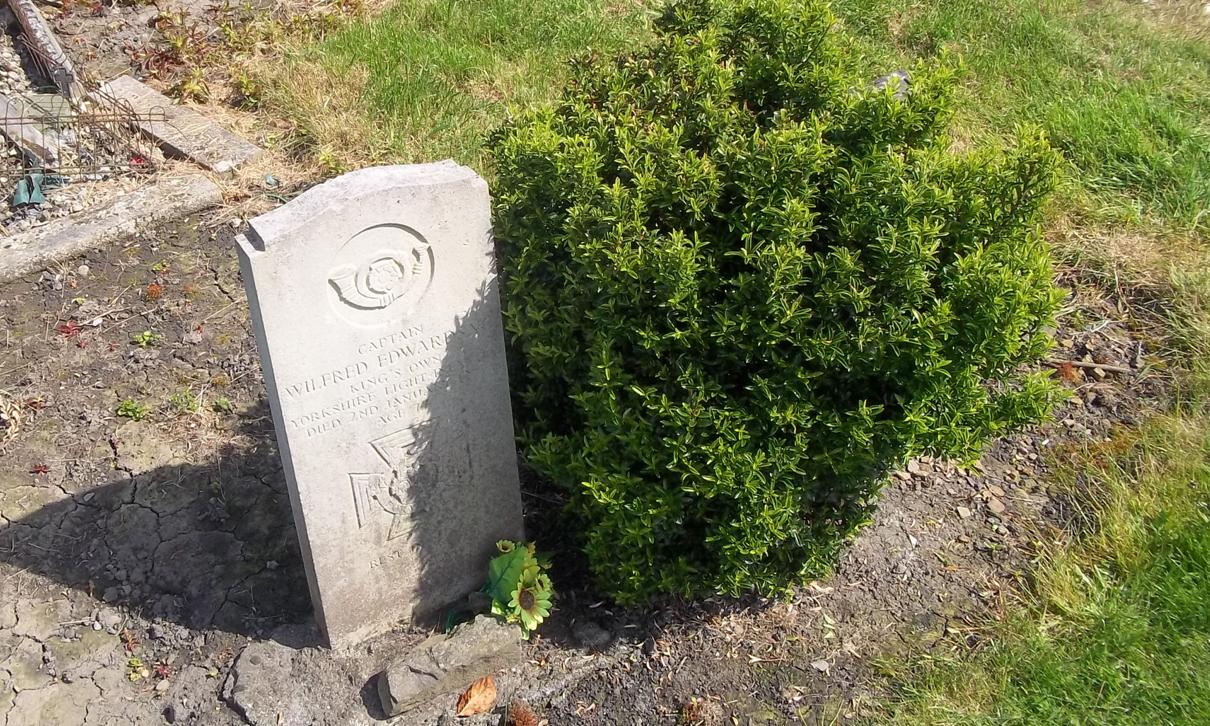
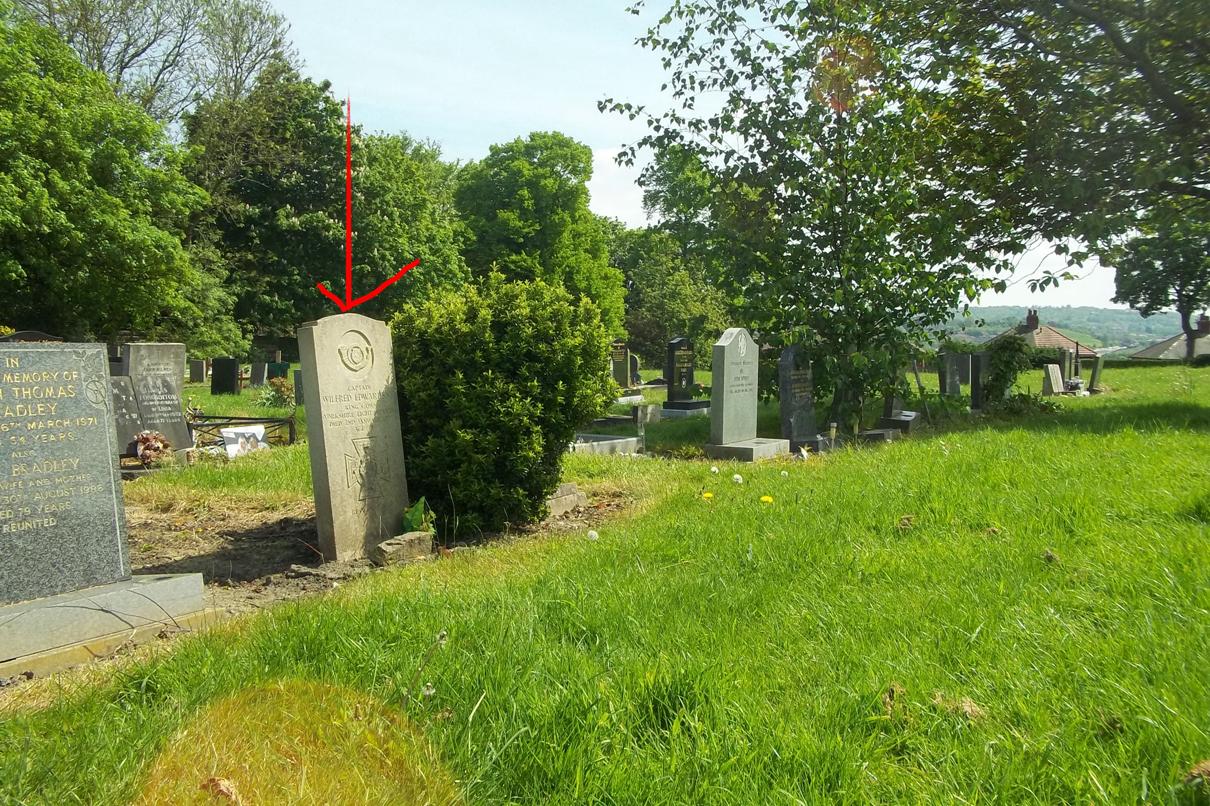
and was buried where I’m stood. As I strolled round the cemetery in baking heat
I was hoping a red wreath would beckon me over. No wreath but someone's been
there as there were some small sun flowers on the head stone. Things are in
danger of being obscured by a thick bush next to the grave. I did a few hearty
salutes and left. I had a coffee and a peanut butter sandwich in the motorhome and went for one last look at Wilfred. I asked
some council workers who were cutting grass if anyone famous was buried there.
They said not. Perhaps they didn't know a bit of a hero was buried there. I did
another stiff salute and left.