Legh family grave
When aristocratic families die
out and leave their stately homes to the National Trust I often wonder who was
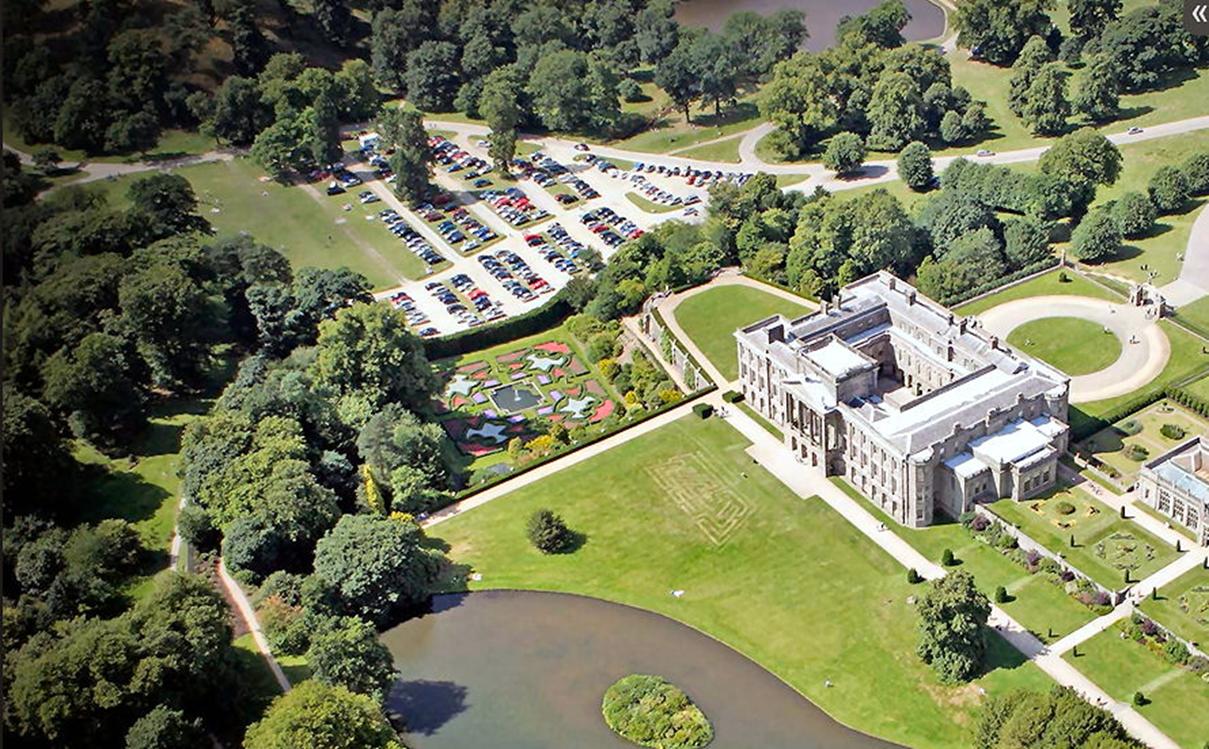
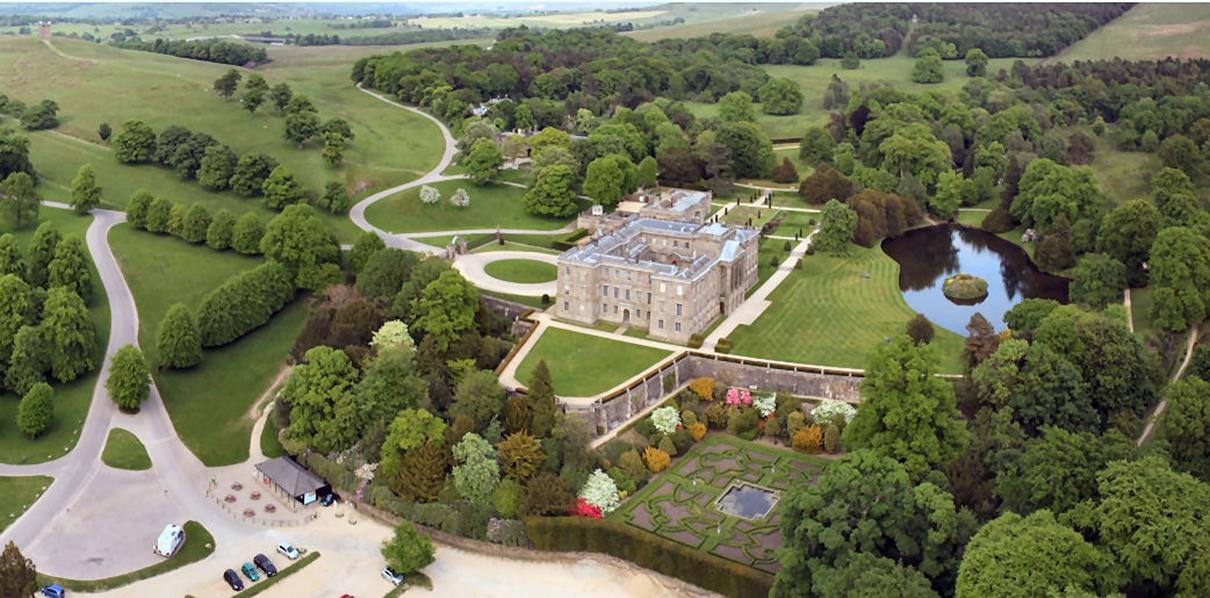
the very last occupant. I often go walking around the Lyme Park estate and thought
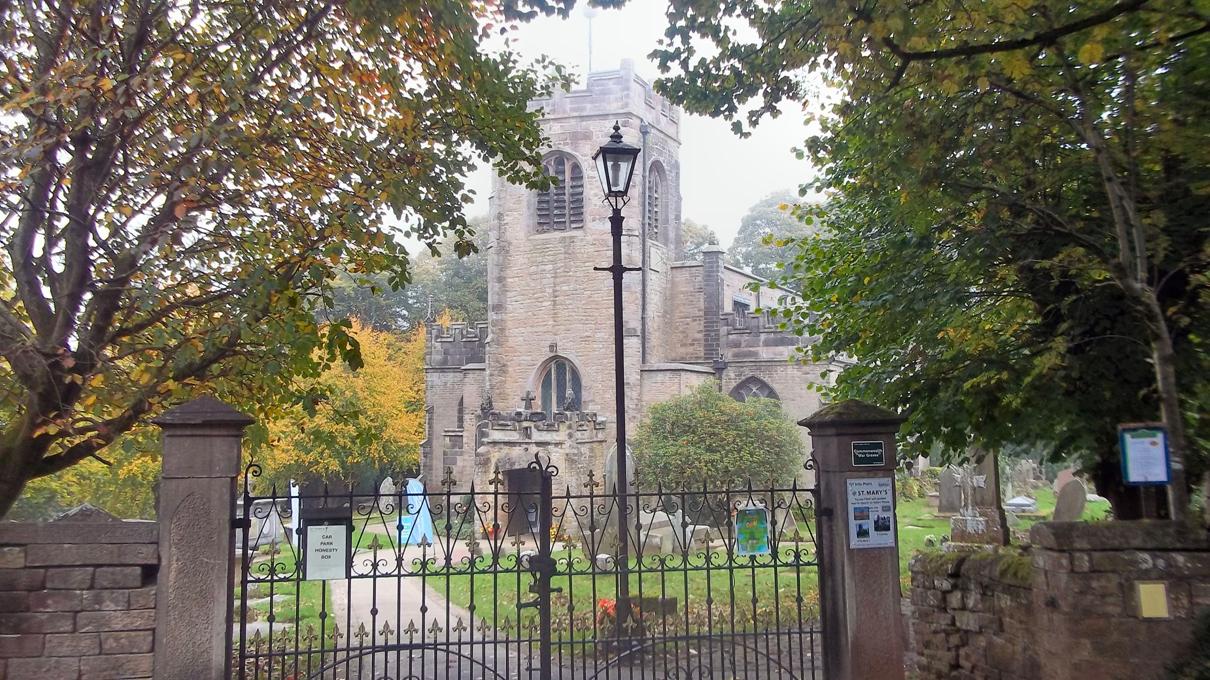
I'd find out where the final owner was buried. The estate was owned by the Legh family and the last ones share a grave in a pretty
churchyard about two miles from the estate boundary.
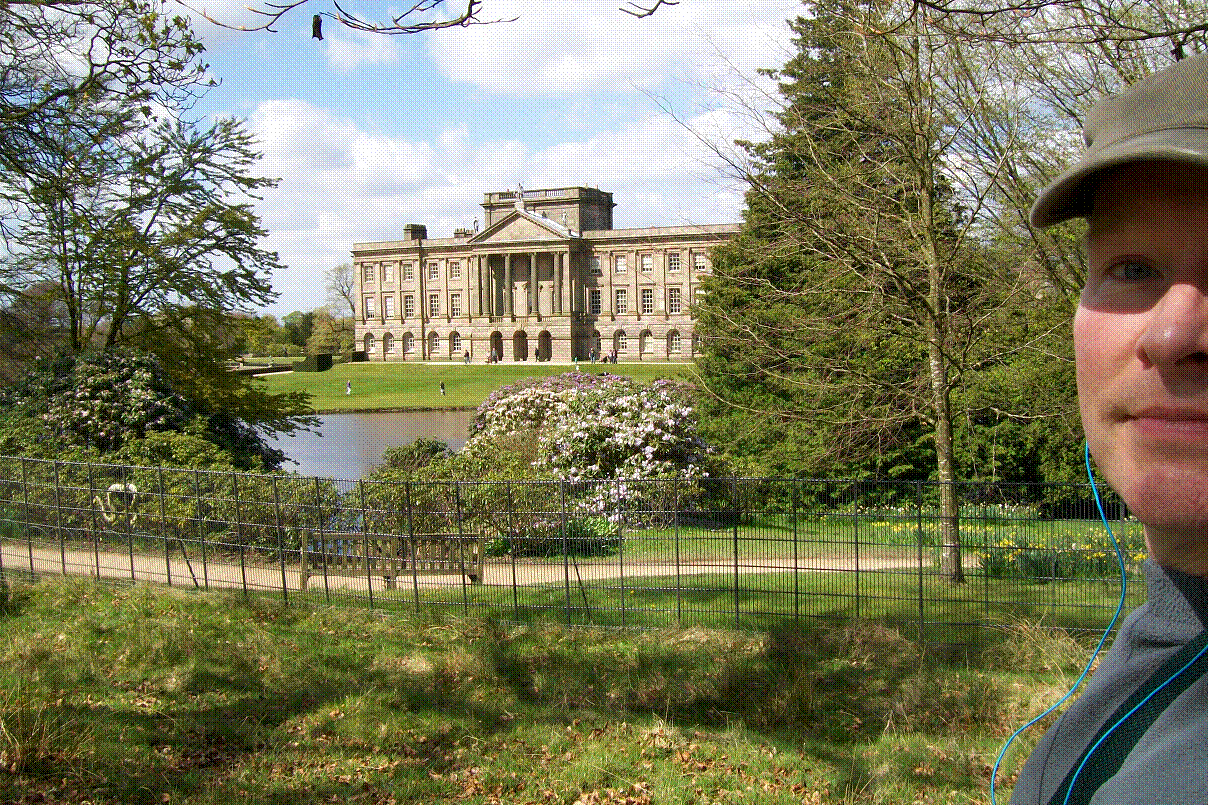
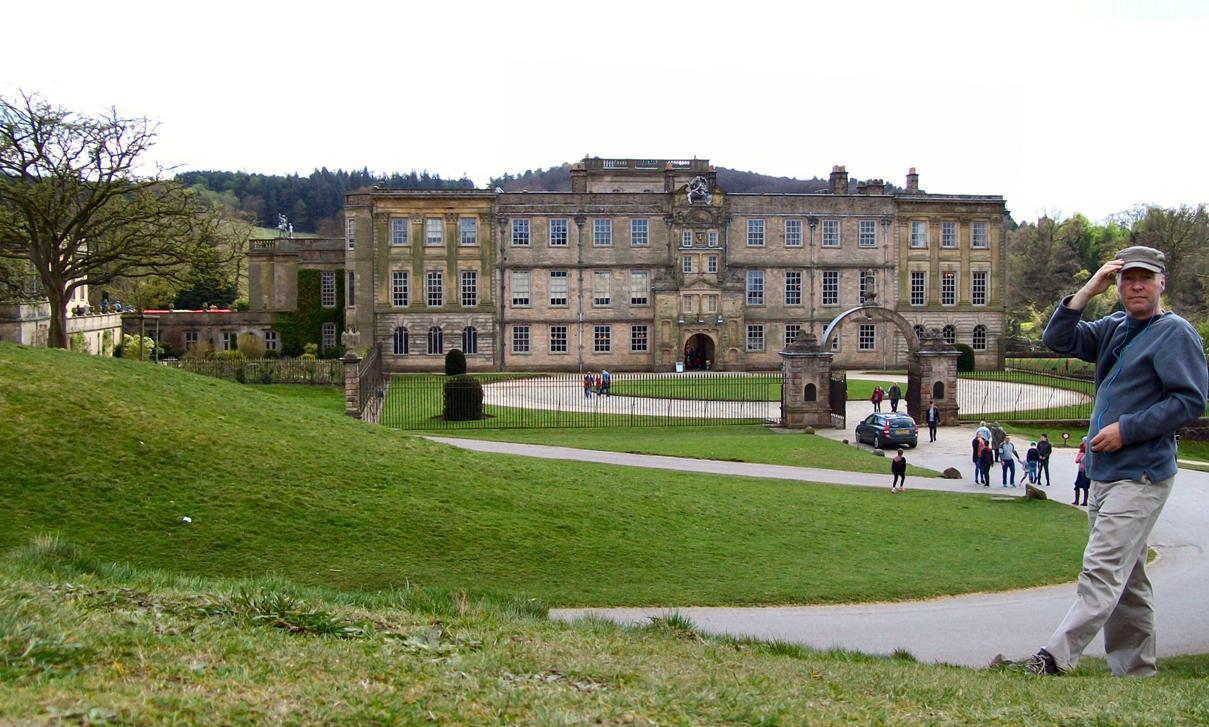
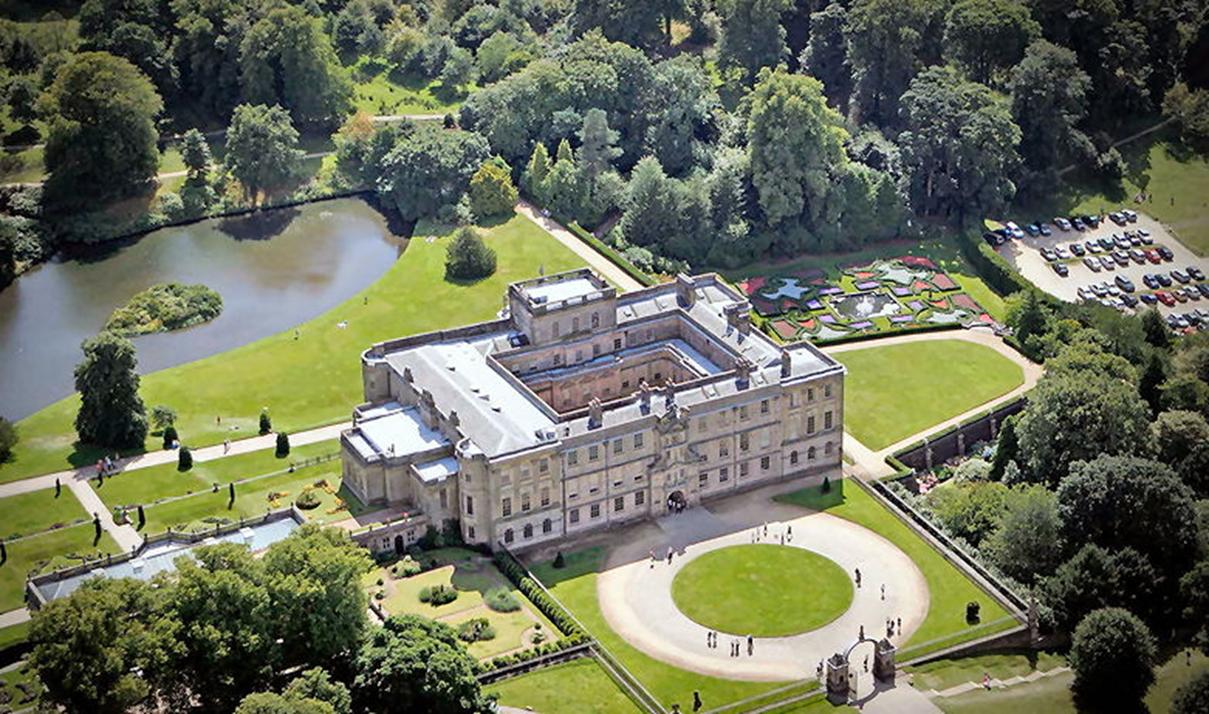
The Lyme estate (140 acres orbiting a handsome
mansion) belonged to the Legh clan from 1398 until
1947. King Richard II gave the land to Piers Legh as
his grandad had rescued the Black Prince’s royal
standard in the Battle of Crécy in 1346. I won’t bore
you with the hundreds of years of Legh who owned the
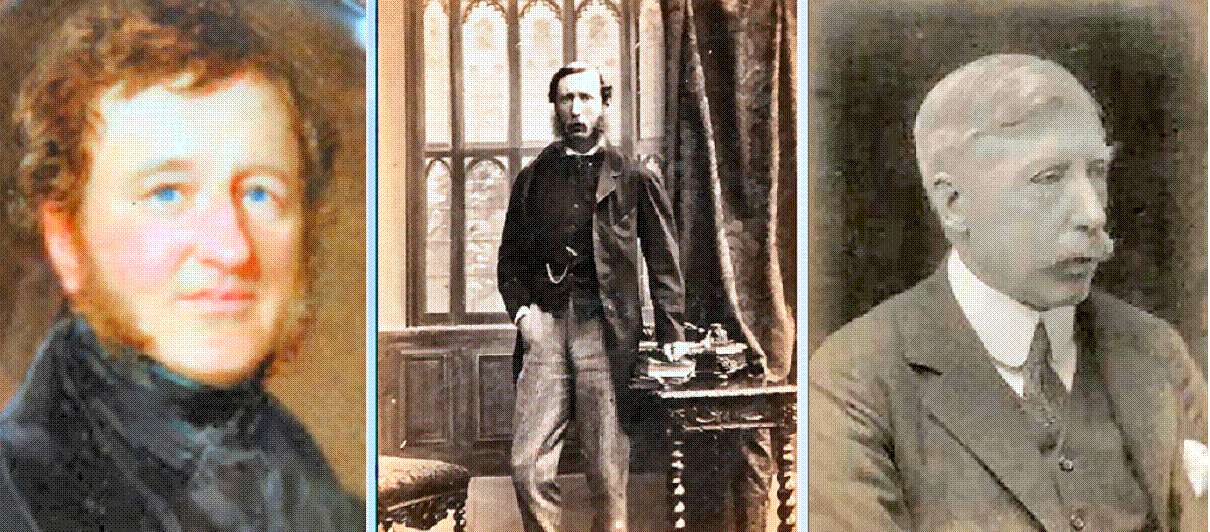
estate however the last main one was Thomas Legh who
inherited Lyme aged four. Becoming of age he modernised the house. He was no
lazy bones merchant and was a passionate global traveller and became a
well-known Egyptologist, bringing home many antiquities which reside in Lyme
Hall today. He was elected at MP and was present at the Battle of Waterloo. He
married twice (first wife died) but both unions failed to present a male heir.
The estate was passed down through another four
generations of Leghs. By 1920 it lay in the hands of
Richard William Davenport Legh (died in 1960) who
tried to keep the family seat safe. The estate could have continued down the Legh line but for a Parliamentary change. The Leghs owned coals pits but The Coal Act of 1938 brought the
nationalisation of unworked coal and a lucrative income
stream ended. Richard sold some land to pull in some money but it wasn't
enough.
During World War II Lyme Hall was used by the
Royal Air Force and parts of the house became a war nursery for the Waifs and
Strays Society. After the war retaining the Lyme estate proved impossible. In
1946 Richard transferred the hall and 1,323 acres to the National Trust to
secure its future. To this present they have managed the estate with the local
council and it delights walkers and day dreamers like me.
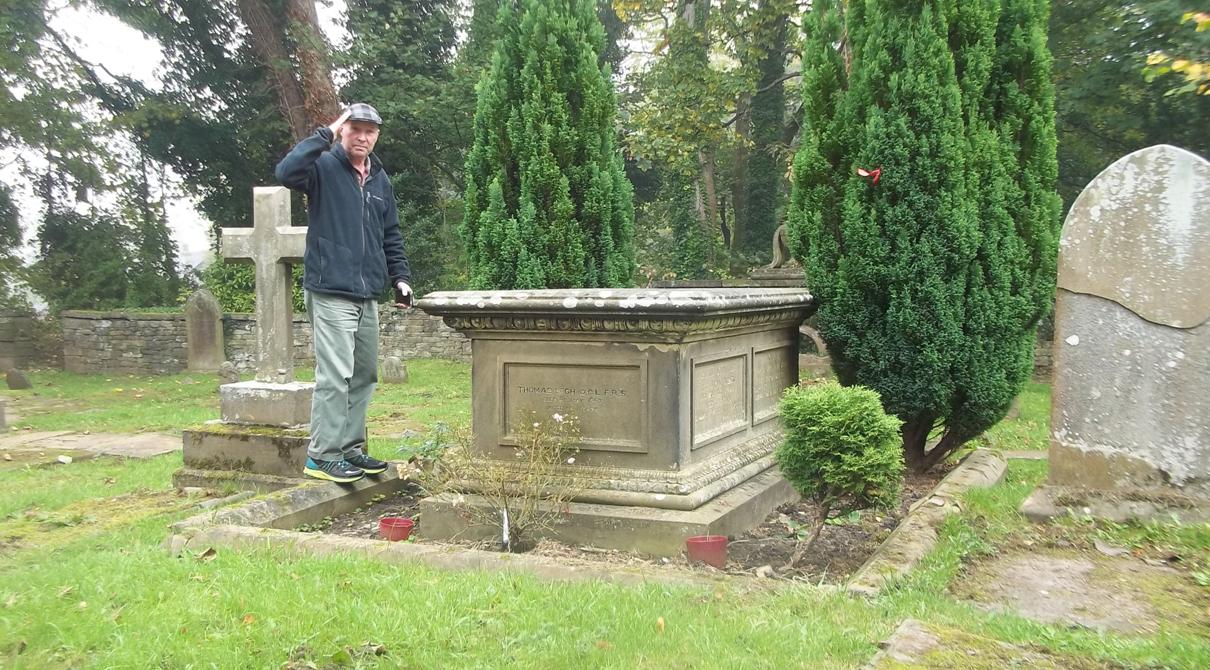
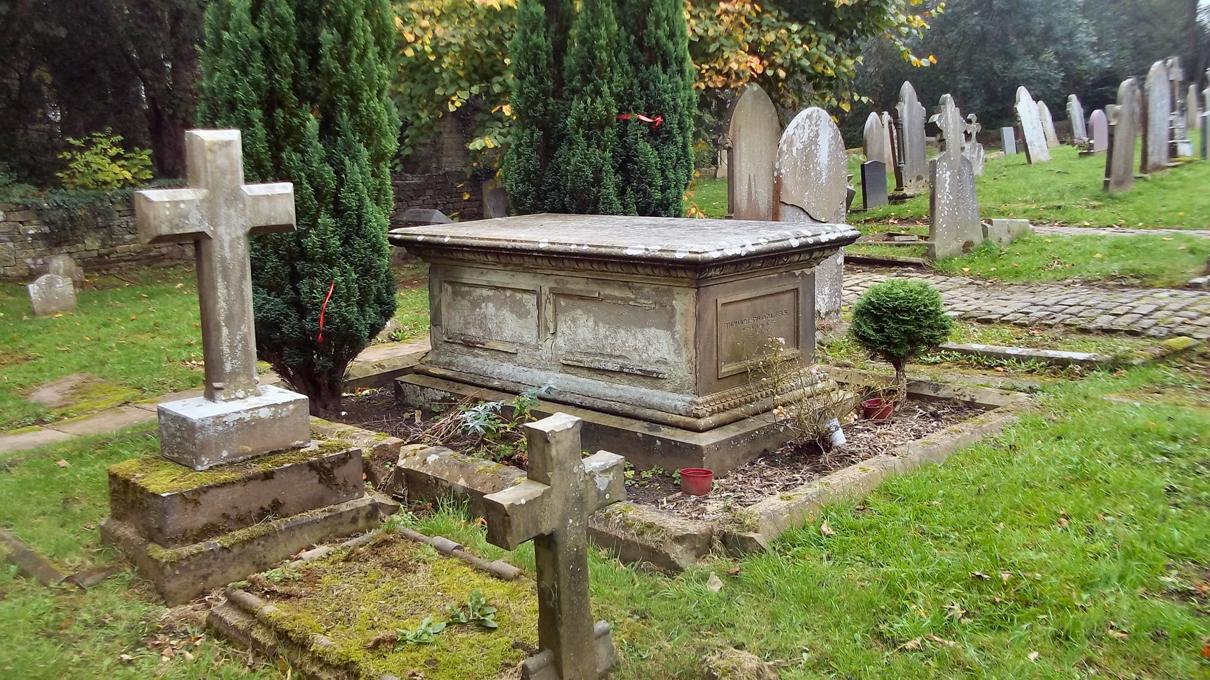
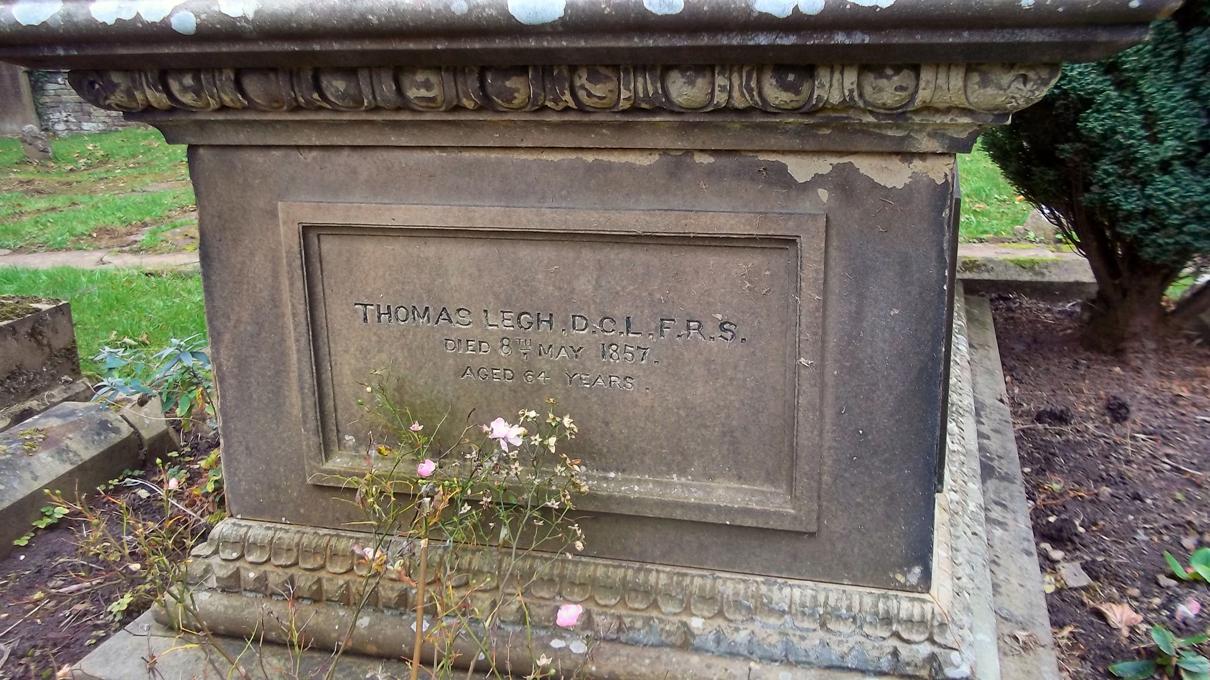
The Legh family grave
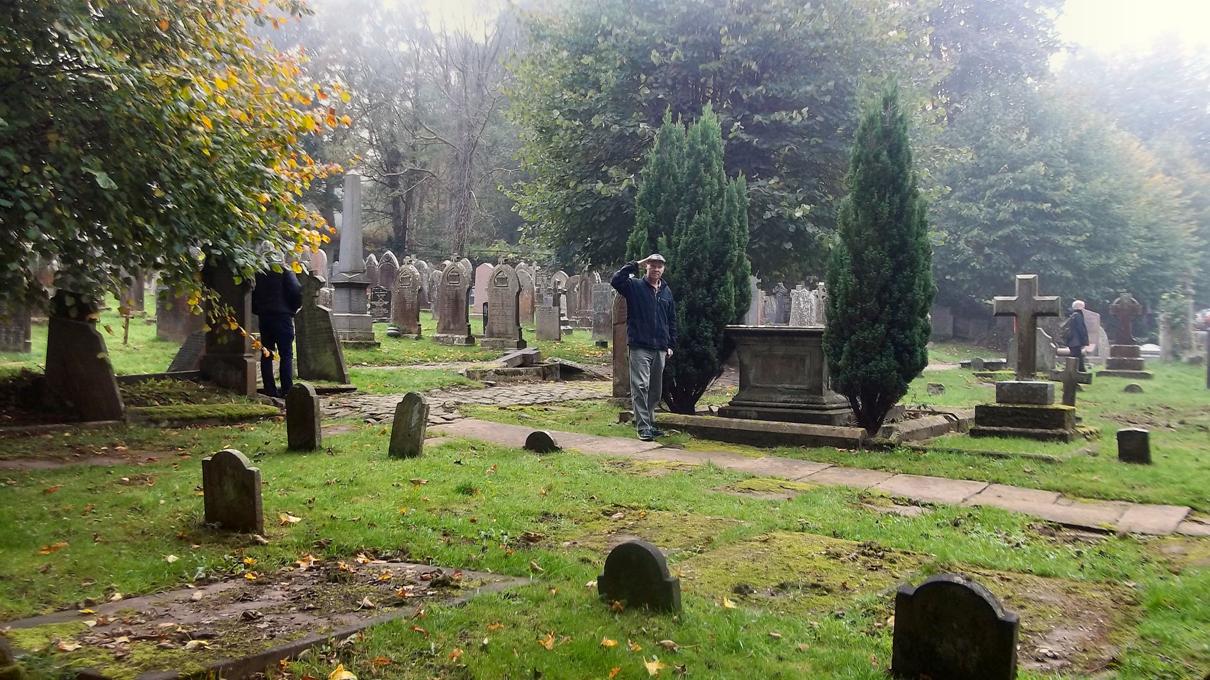
lies down the side of St Mary’s Parish churchyard, a five hundred year old
handsome sandstone affair about a mile from the estate. I thought a prestigious
family would reside in a crypt inside the church but no - they’re stacked
together in a plain table-top grave at the back of the churchyard. I thought
there might be a weatherproof plaque explaining how an aristocratic line tapered
off and the last family members wound up lying here....but there wasn't. After
600 years the Leghs finally ran out of legs. I did a
salute and left.