Eyam, The Plague Village
Someone said to me, “A sad grave-hunting geek
like you should visit Eyam,” so I did. I’d heard of
it but on trips to Buxton and Matlock I’d driven passed the sign for Eyam, The Plague Village”. Here are some photos of a visit
there in February 2015.
I
drove up the steep hill to it, snow on both sides. It was a bit cut off, the
kind of place you don’t drive through to go somewhere else. Being cut off
probably saved the plaque from spreading for it was here in August 1665 the
plaque came to destroy.
The
plague can’t do you any good but it’s done the village good and it now seems to
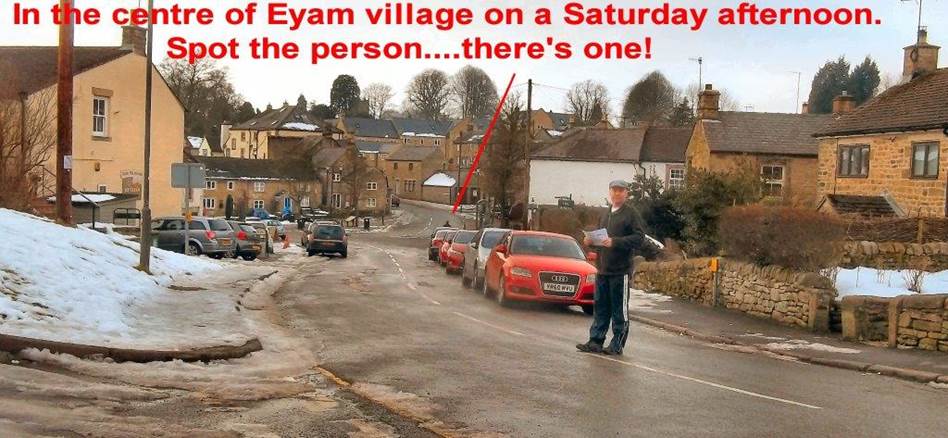
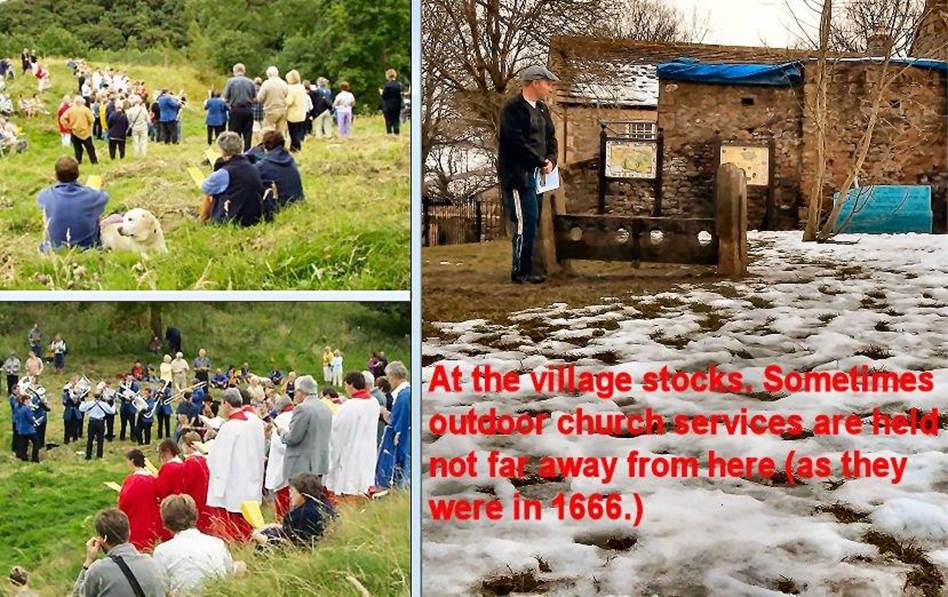
rely on the tourist trade. I parked near the village stocks and sat in the car
having a coffee and a Caramel Choc-Choc. I had the window down while I listened
to the end of play on the wireless and hardly any cars passed. All seemed
a bit hushed somehow. I suppose it was a cold winter’s Saturday so visitors
would be scant.
For
some reason (probably because I’m thick) I though the plaque impacted on
London and didn't stretch to the North but I’d read about Eyam and knew the plague tried to multiply itself here. The
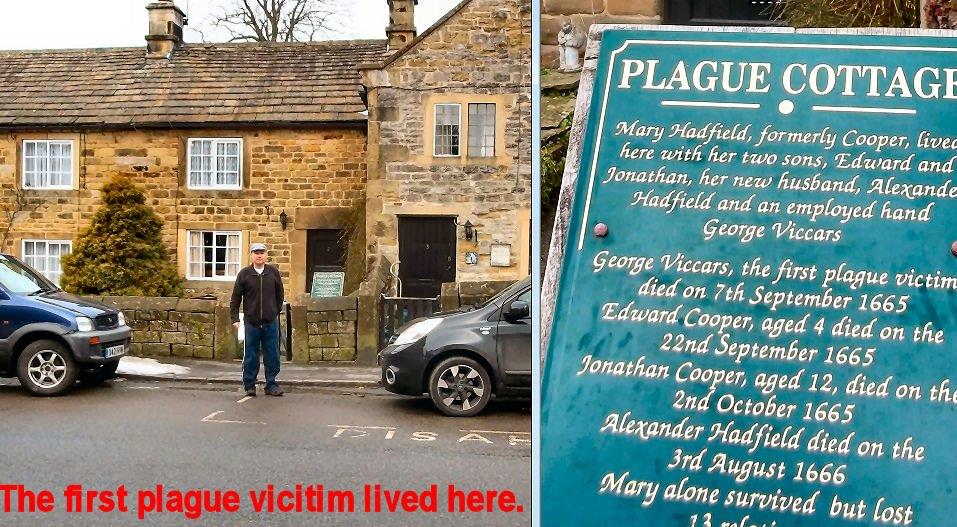
village tailor George Viccars received a parcel of
cloth from London. He didn’t know it but the cloth carried fleas that had been
eating infected rats. The cloth was damp so he hung it in front of the fire to dry - a grave mistake as
this released the fleas and grave in that he’d be in his grave before
another week passed. He was the first victim.
I soon
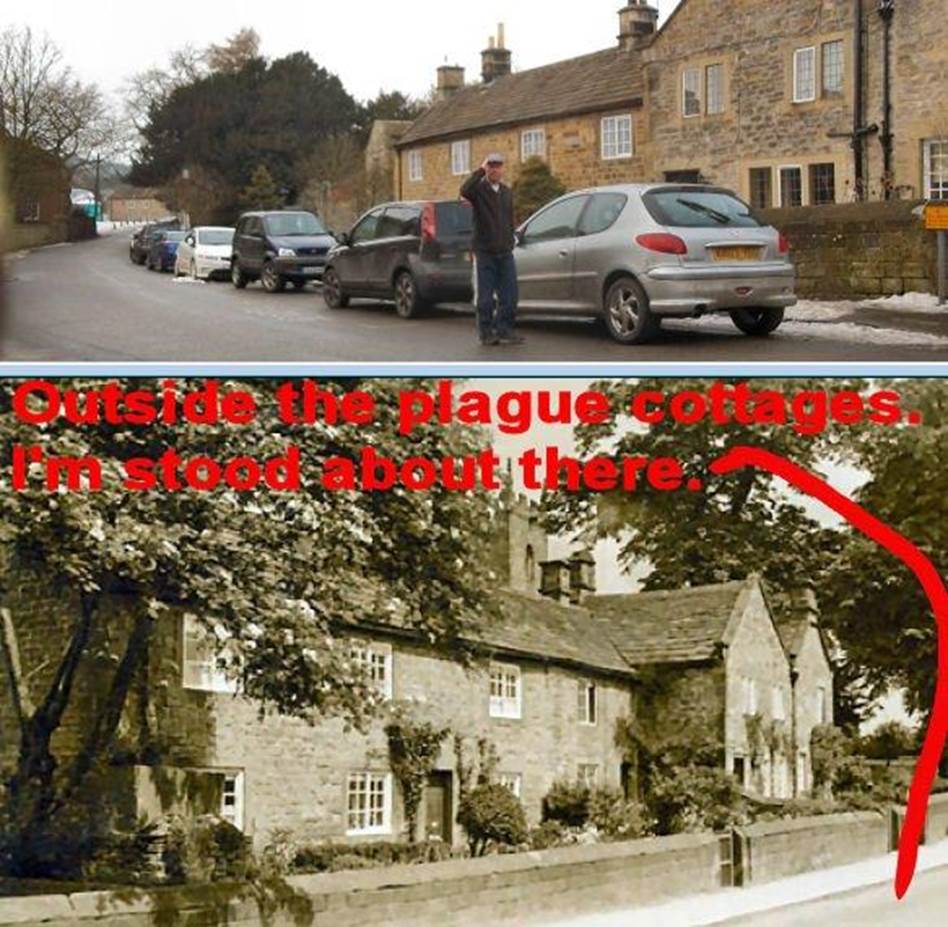
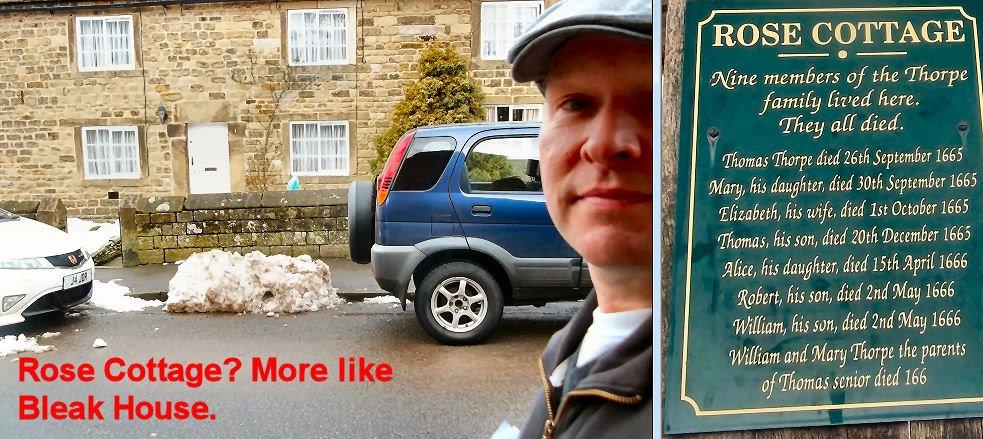
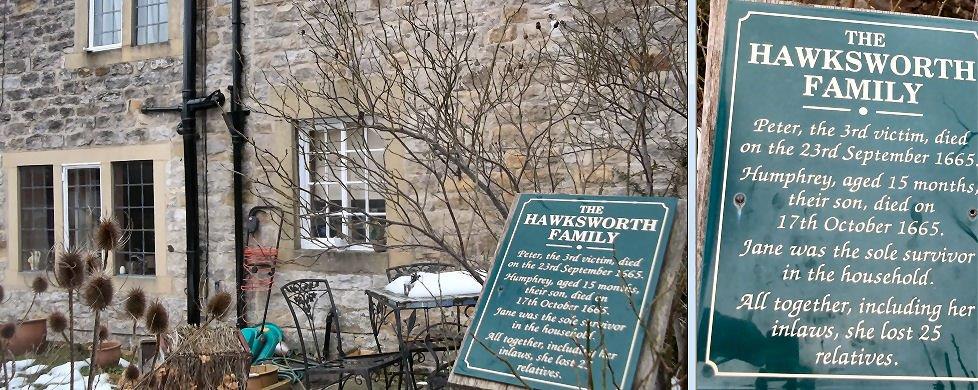
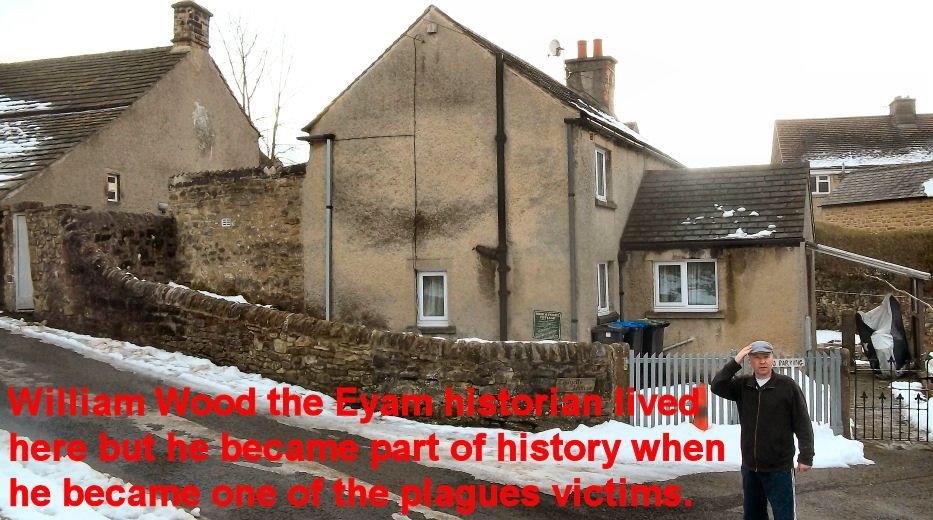
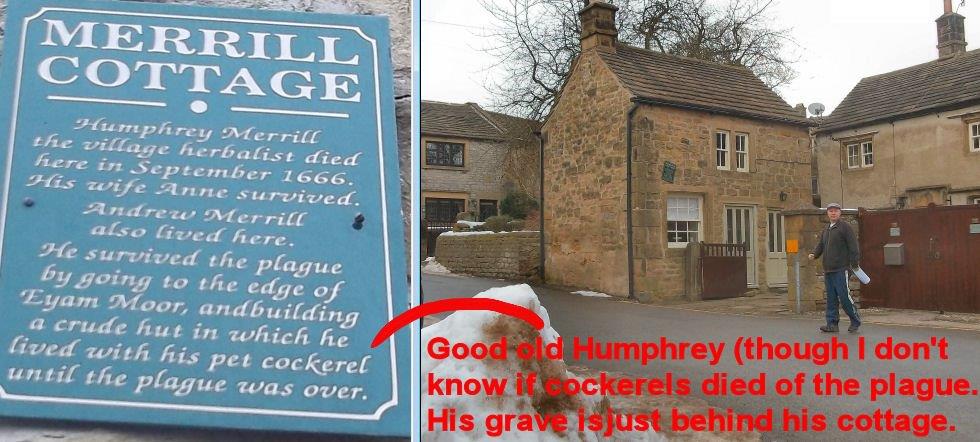
found the row of cottages off the main centre of the village square (where
George had lived.) This seemed to be the seat of the infection and most
inhabitants and relatives associated with these cottages were decimated
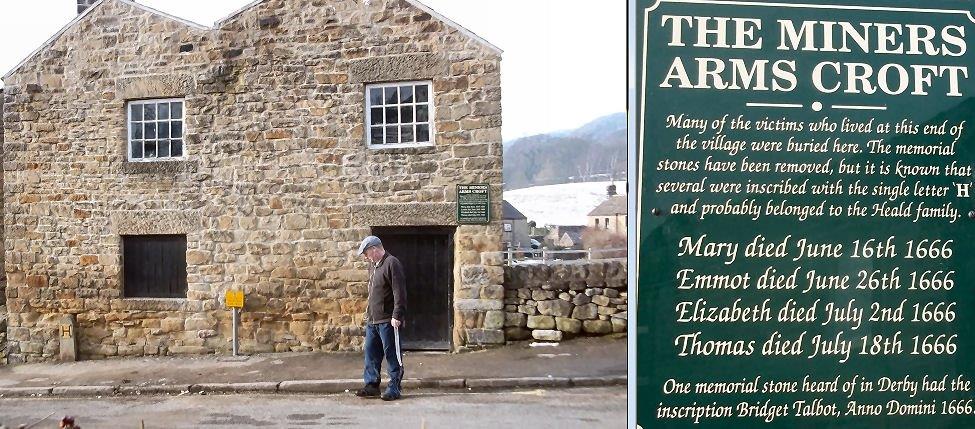
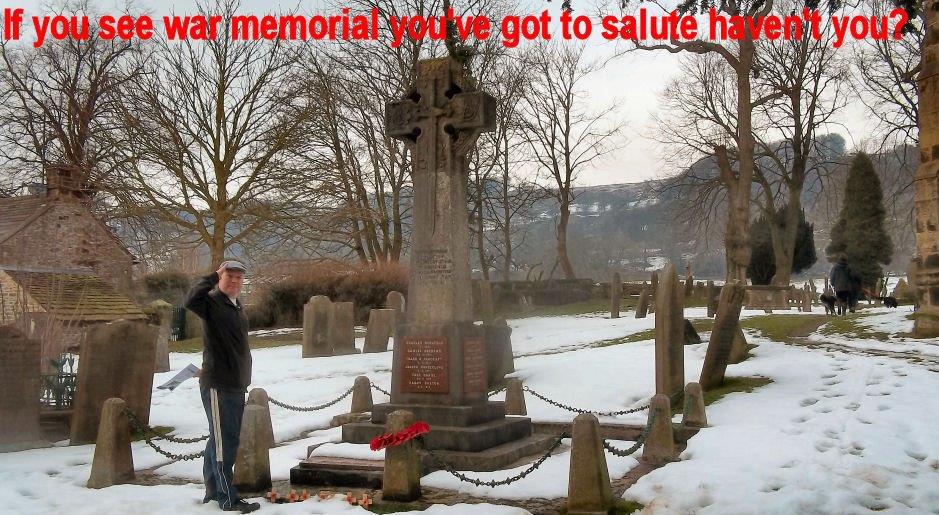
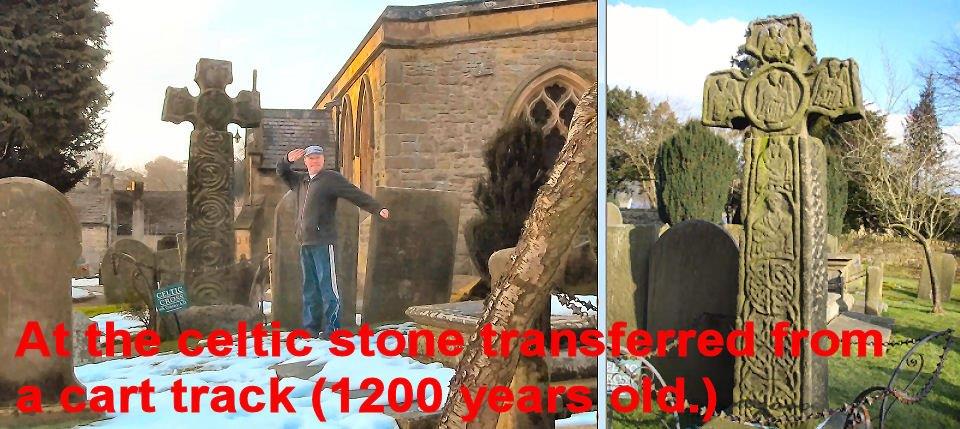
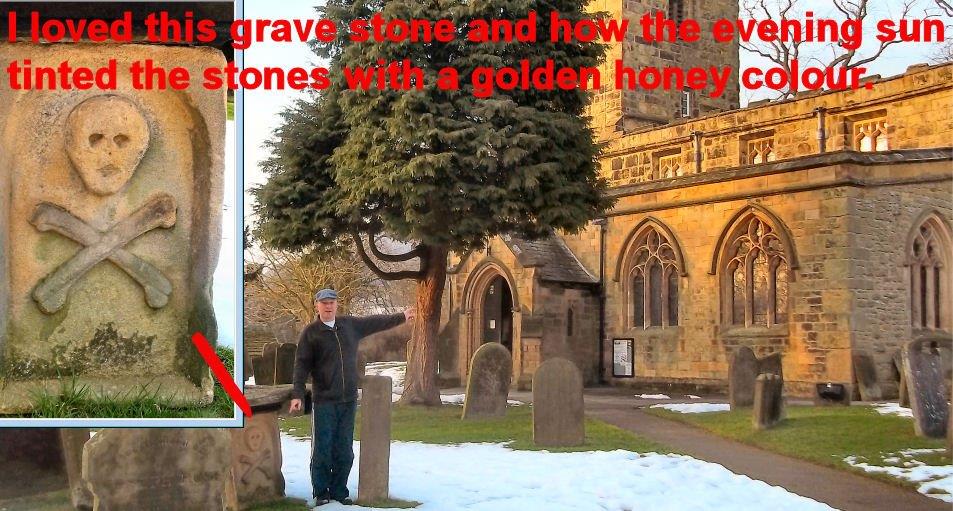
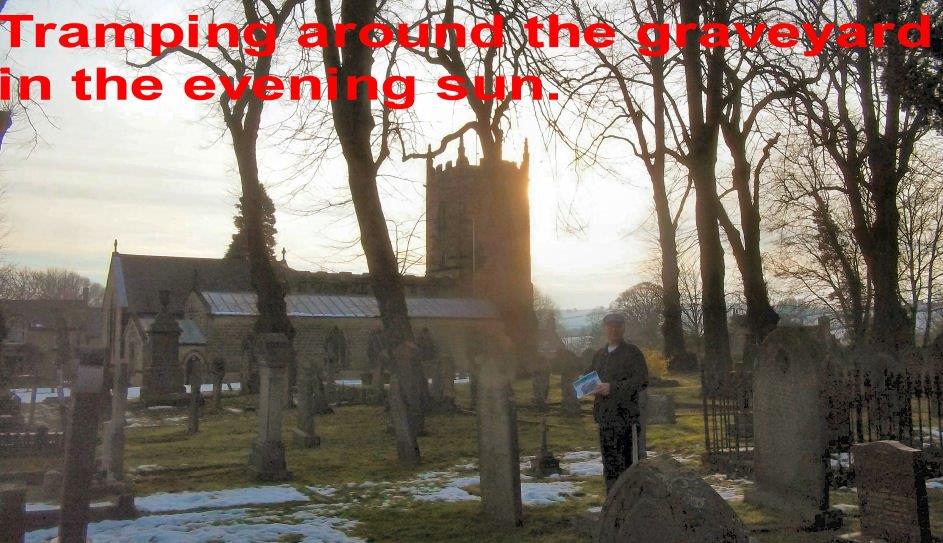
quickly. Next to the cottages is the church and I had a walk around graveyard
at the back. Many of the victims are here but burials soon stopped. As the
disease spread so did panic and villagers turned for guidance from the rector,
Reverend William Mompesson. Precautions were put into
place to minimise infection: families had to bury their own dead,
church services would be performed outdoors in a field, and, most of all
they decided to quarantine the entire village by staying there.
The
plague ran its course for about 15 months and killed 300 villagers though exact
figures are unknown. Some say the population of the
village was 350, others that it was 800. This was the Shakespearian era so
correct record-keeping wasn’t meticulous. The church records the death of 273
people.
Survival
among those affected appeared random; many had close contact with those who
died but never caught the disease. The unofficial village gravedigger, Marshall
Howe, lived on despite shoving lots of infected corpses into the ground.
Villagers
remaining within the compass of the village prevented the disease
surging through most of Derbyshire. They were strong-minded
Christians and showed courage and self-sacrifice while waiting for the plague
to wear itself out. It cannot have been easy to resist the temptation to run
away. Though I didn’t go I saw a sign for Cucklett Delf, a grassy field (where outdoor church services were
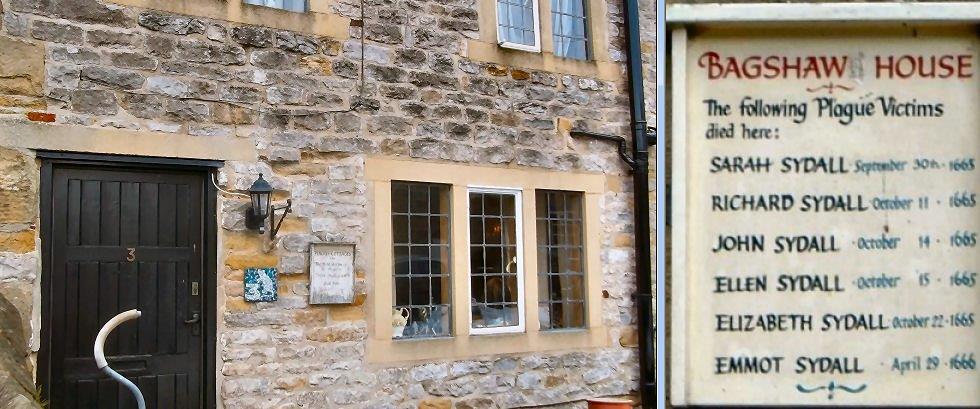
held). Here a village girl called Emmott Sydall met
Rowland Torre from another village. They called across the rocks to each other
just to stay in touch but she died (as did 6 of 8 family members.)
If you
got infected you lived for three to seven days. Symptoms were high fever,
headaches, chills, weakness of the bones, swellings. It killed about 100,000
people in the UK and about 15% of the London population. If the package of
cloth hadn’t arrived none of this would have happened at Eyam.
Who've had thought something as tiny as a flea would bring so many death and
misery.
I
strolled around the village and it was as though the plague had eliminated
everyone: few people, near silence in the graveyard behind the church, the odd
passing car, no sound of traffic. I walked down to the village square and saw
some blurred faces behind the steamy windows of the café. I wondered the
place was like in 1665/6. I bet the streets were empty then. Who would
venture out to get a loaf when you got the plague with it free of charge?
Signposts
pointed to a miscellany of houses, wells, alleyways and hovels linked to
the plague. People buried their dead in their gardens and nearby pockets of
land. Did their pets get the plague, too?
I
decided to walk about half a mile out of the village to see if I could find The
Riley Graves. I knew this was up Riley Road which surrendered to a dirt
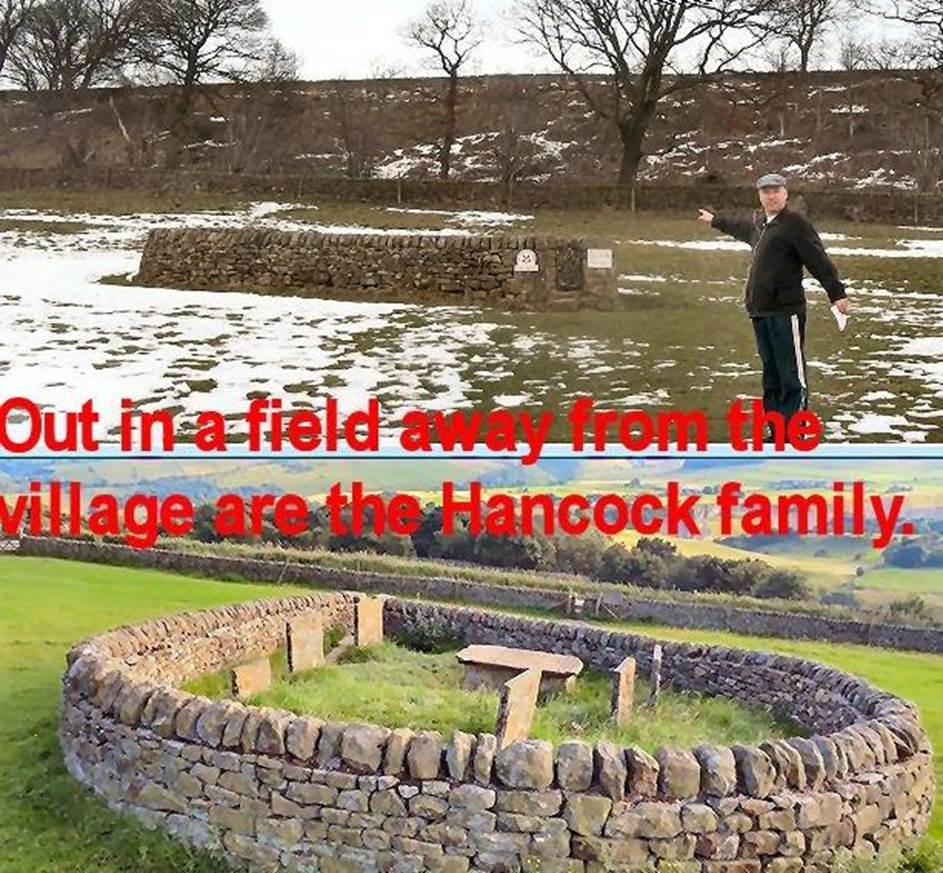
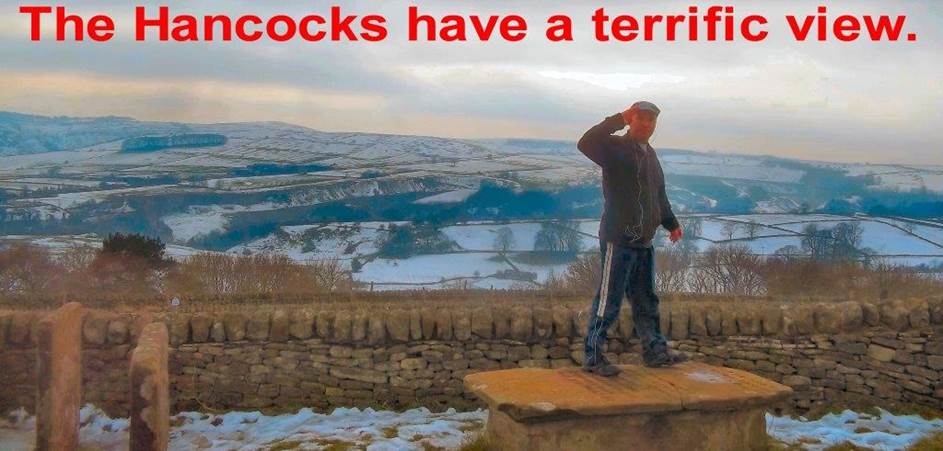
track winding through tall trees. I knew most of the Hancock family members
were buried out in a field within a stone circle.
Patchy snow
made objects difficult to see but eventually my eye fell on two horses in
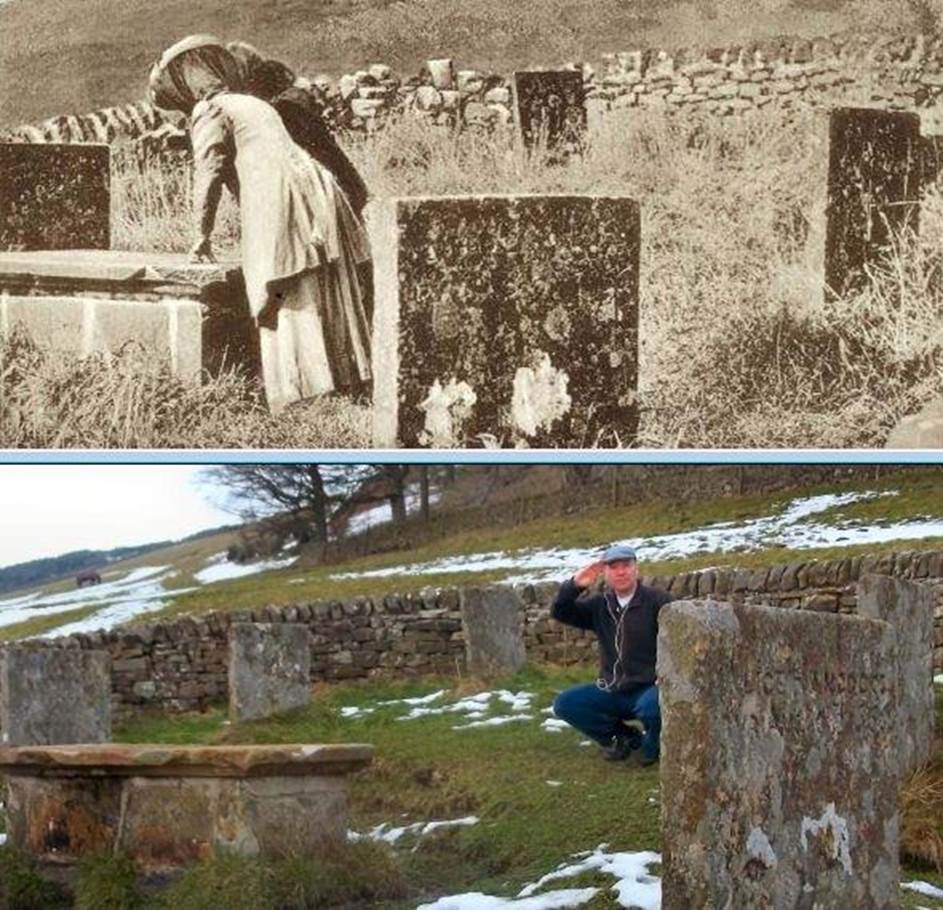
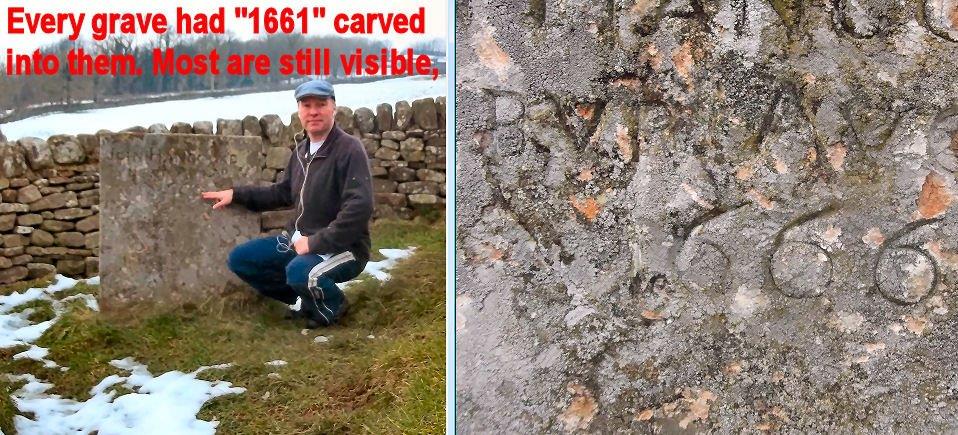
a field then a hoop of stones near them. Here lies the six children and husband
of Elizabeth Hancock. She probably hoped she’d died too as her family
all died within one week. As the villagers thought she was bound to be
infected she was forced to burying them all herself. Oddly she didn’t
get infected and lived on even though there was nothing to live for. If you're
having a bad day - double-barrel leaking nose, bollocking
from the boss, wing-mirror knocked off the car by a prat on bike - think
of this woman's resolve and stop whimpering.
One
year after the first victim George Vicars had died the plague was still
rampant. The rector William Mompesson was quite new
to the village but he probably wished he never heard of the place. At died at
just 28. His wife Catherine loyally stayed with him but also died. Her tomb in
the churchyard is decorated with a wreath every year on "Plague
Sunday", the last Sunday in August (the Sunday closest to her death.)
Eyam remained cut-off for months but they still needed supplies. Free
food and medical supplies were donated by The Earl of Devonshire who lived at
nearby Chatsworth House. Some supplies were left at Mompesson's
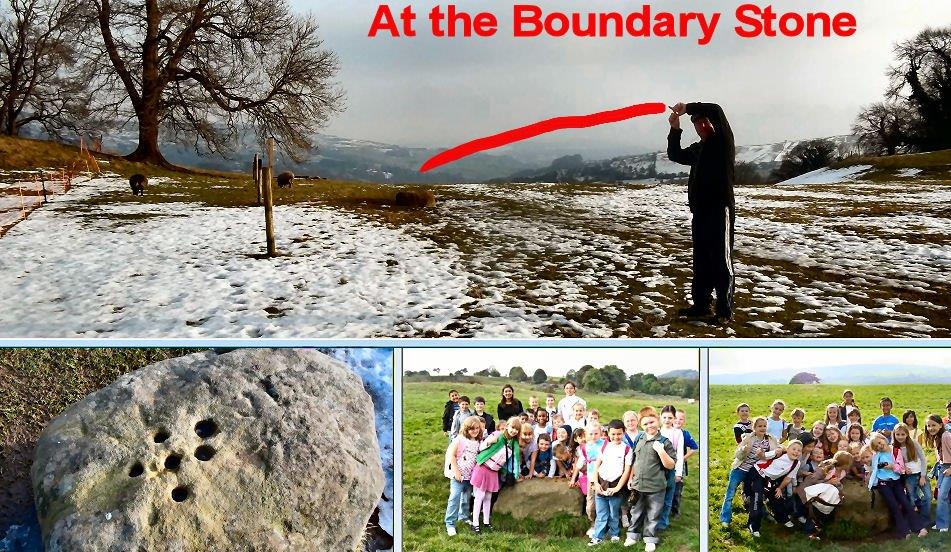
Well high above the village and some at Boundary Stone. While there was still
enough sunlight I decided to try to find the latter – it somewhere out in
the surround fields.
I
climbed over stiles and passed through gates and walked through snow-dappled
countryside. A muddy path eventually brought me to field dotted with sheep and
the stone itself. Money was left here for payment and, predictably, people have
dropped coins in it now. Vinegar was poured into these holes to help kill
any germs on the coins.
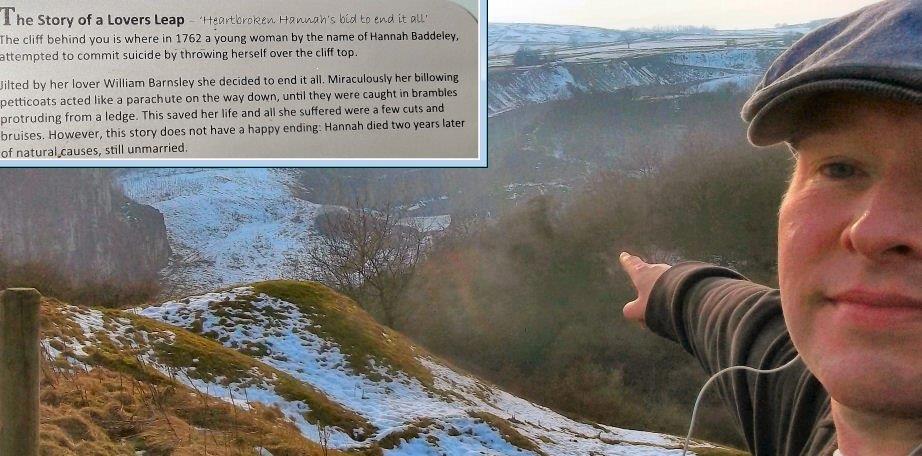
A sign
referred readers to the steep cliff behind, “Lover’s Leap.”.
Some lovelorn lady called Hannah Baddeley had been
jilted and tried to throw off the top. It wasn’t her day: billowing petticoats
acted like a parachute and resistance stopped a direct fall and she survived.
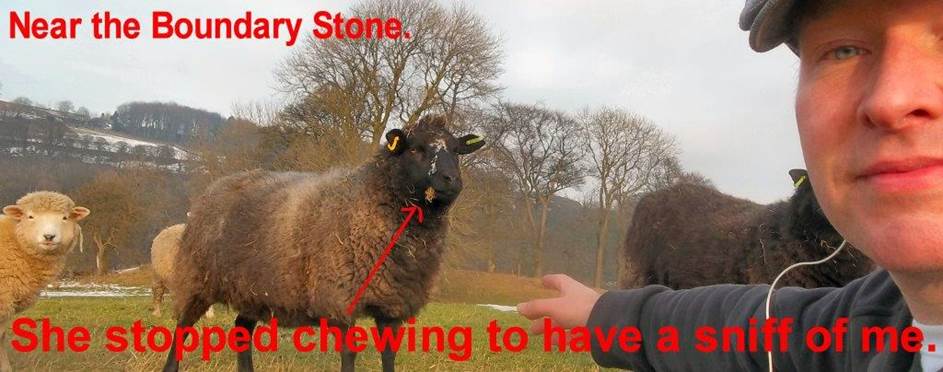
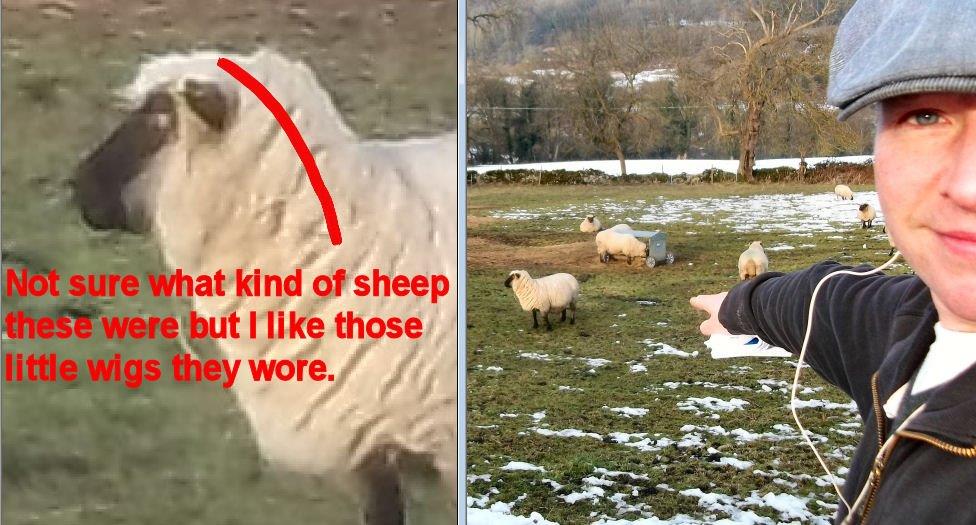
The
sheep must have thought I heralded food as they were soon hogging around me. I
even got to stroke a few heads before they walked away disappointed. I don't
think they like aniseed balls which was all I had.
I
returned to the village. The evening sun was infusing the top of the
church with a gold-amber shade. This encouraged me back into the graveyard and
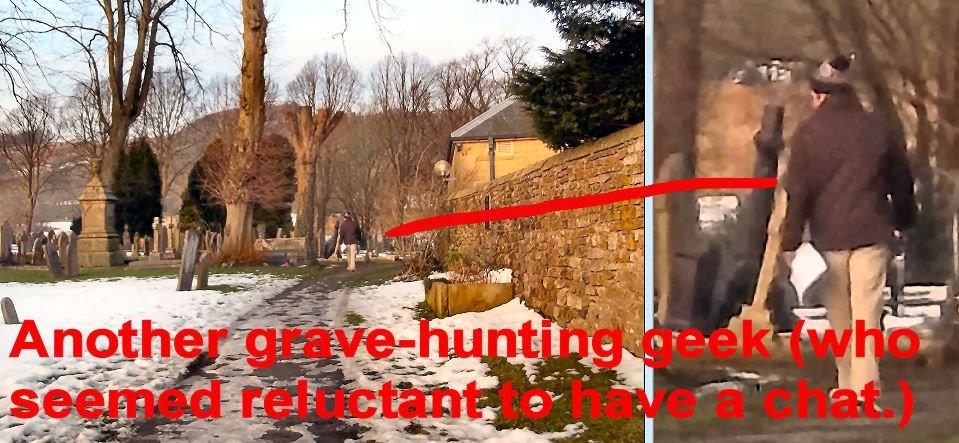
up a path and I actually saw another grave-hunting nerd (see penultimate photo
below). I followed him as he passed from grave to grave with a sheath of papers
in hand. I had a chat with him but he was too rushed to talk. He was a member
of a very competitive pub team and this month’s topic were things related to
plague-drenched Eyam. He had a long list of
things to spot and tick. He almost pushed me out of the way to hunt the
next clue.
Eventually
I returned to the car and had another coffee and a Twix finger dipped
in a pack of Quavers. I sat with the window down listening to a
Van Morrison CD just enjoying the serenity of the place. The road was
so quiet I had a wee in the grid at the side of the road. No owls swooped in
hoping to grip on a worm for its tea.
I
headed home through white winding Derbyshire dales knowing I would return in a
few months when Summer is in profuse bloom.