A.A.
Milne's former home (18th January to 31st January 1956)
Who hasn’t
heard of Winnie the Pooh? Perhaps some Eskimos or
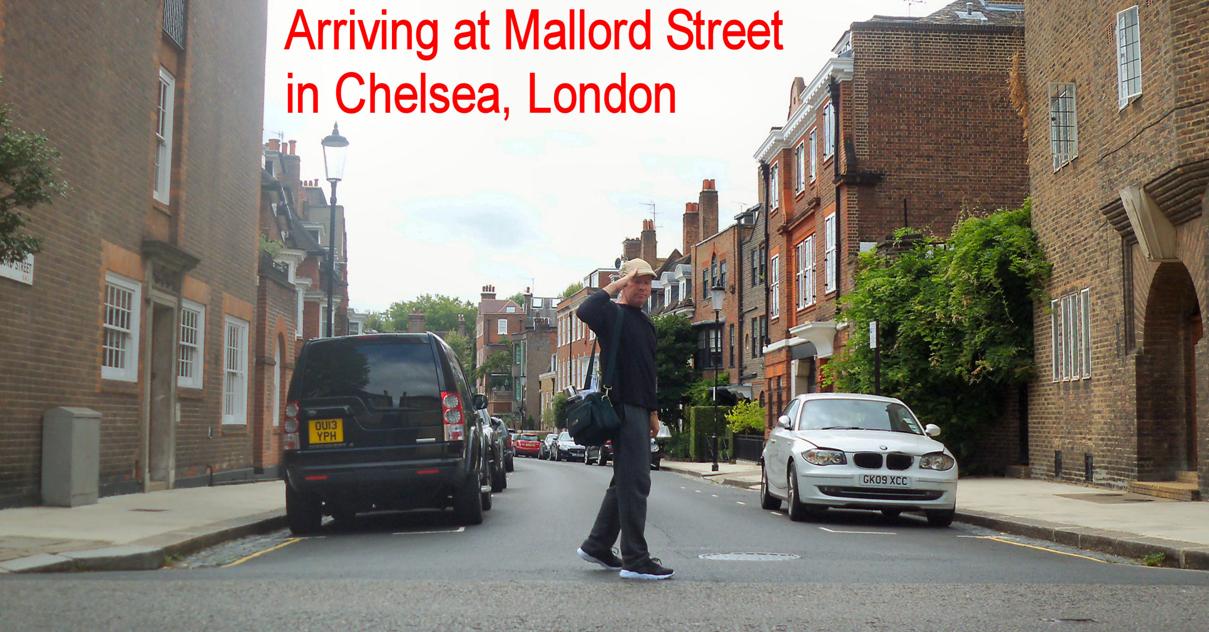
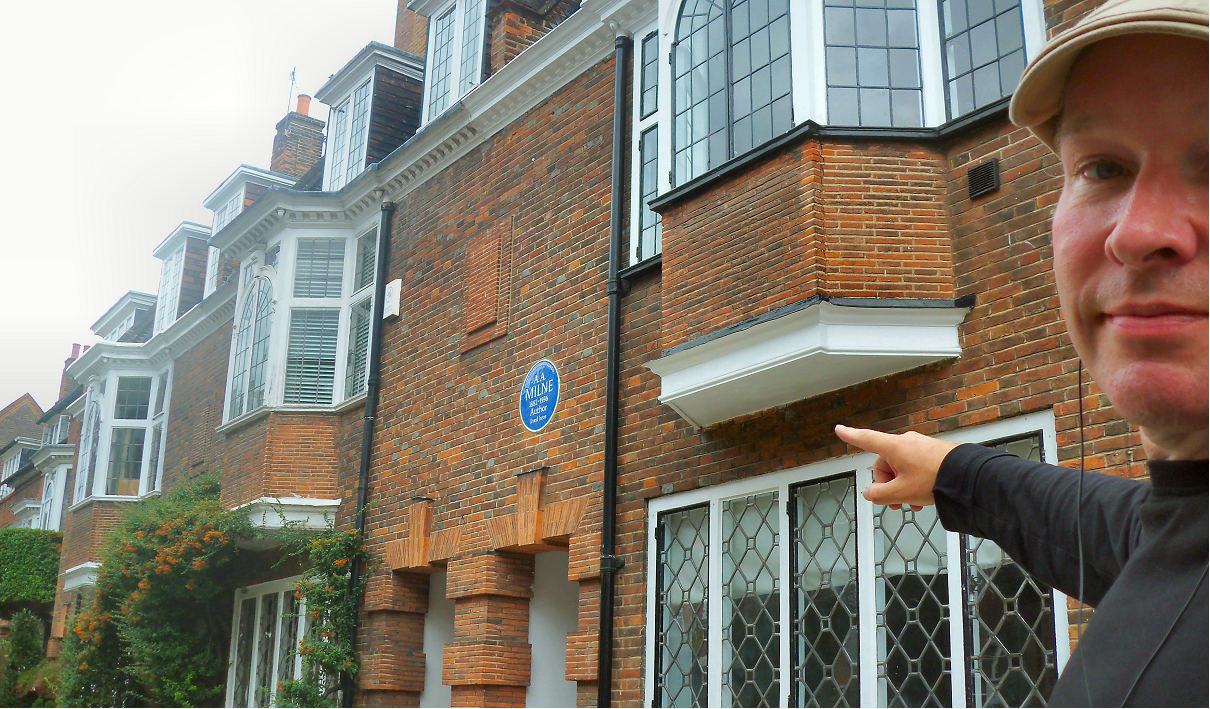
natives of the Congo jungle. Here I am at the former home of the novelist AA
Milne (Alan Alexander) on a quiet street in Chelsea. The two main Pooh books
were penned here.
He was the third of three sons. Both parents were schoolteacher’s so
it's no surprise he was a bright lad with writing ambitions. As blood was in
the vein ink was in the pen and at Cambridge university he wrote furiously and became
the editor of Granta
a student magazine. It was so successful the hugely successful Punch magazine recruited him. At 22
years old he was the Assistant Editor. In the evenings wrote plays which were successful
but not on fire. Aged 31 he married Daphne de Selincourt
and they would have only one child Christopher Robin.
Life was interrupted by World War One and Alan joined the army. He was
sent to France and fought at The Battle Of The Somme, one of the bloodiest
battles of the war. Injured and suffering with trench fever he was sent back to
England suffering from severe trauma (now called PTSD.) He continued writing
plays and novels for children and adults. More success and around the corner
was worldwide success with the Pooh books. Aged 37 he was discharged from the
arm and settled into the house I visited.
In all he would write 7 novels, 5 non-fiction books, five short story
collections and nearly forty screenplays. The lot was eclipsed by two Pooh
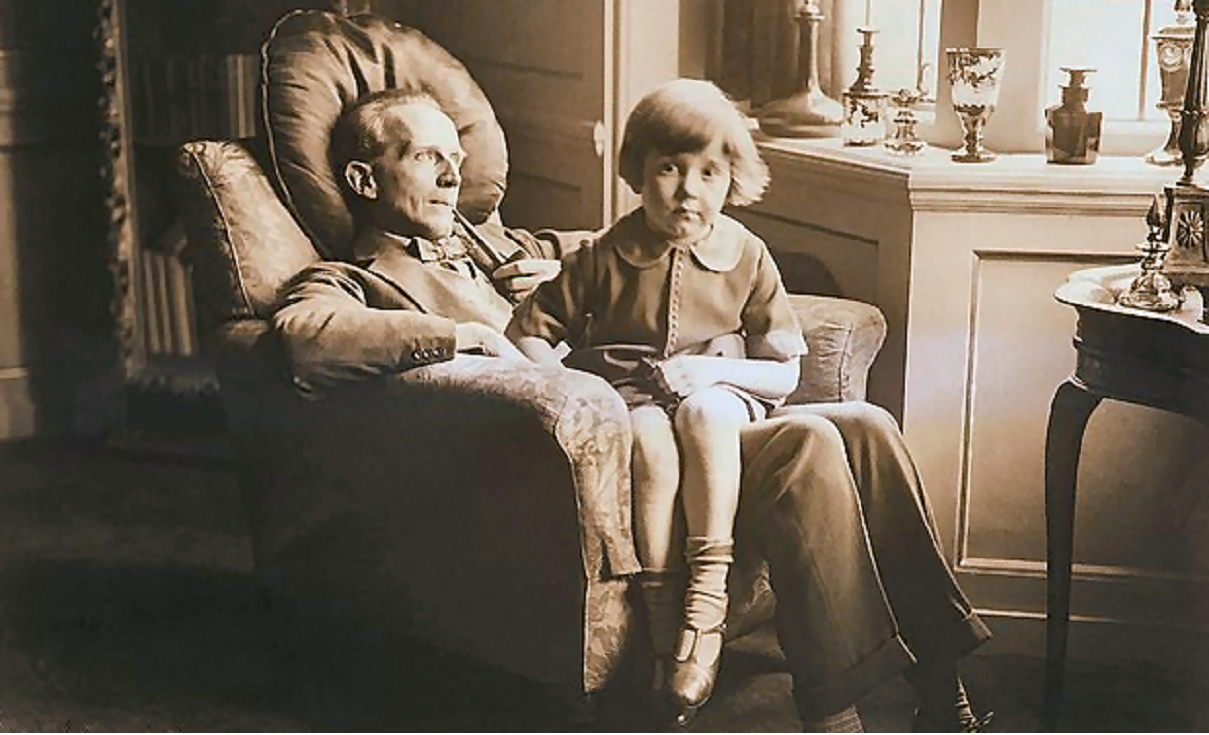
books about a fictional boy named Christopher Robin who was really his son. He
was 44 when the first one was published. He didn’t expect roaring success as
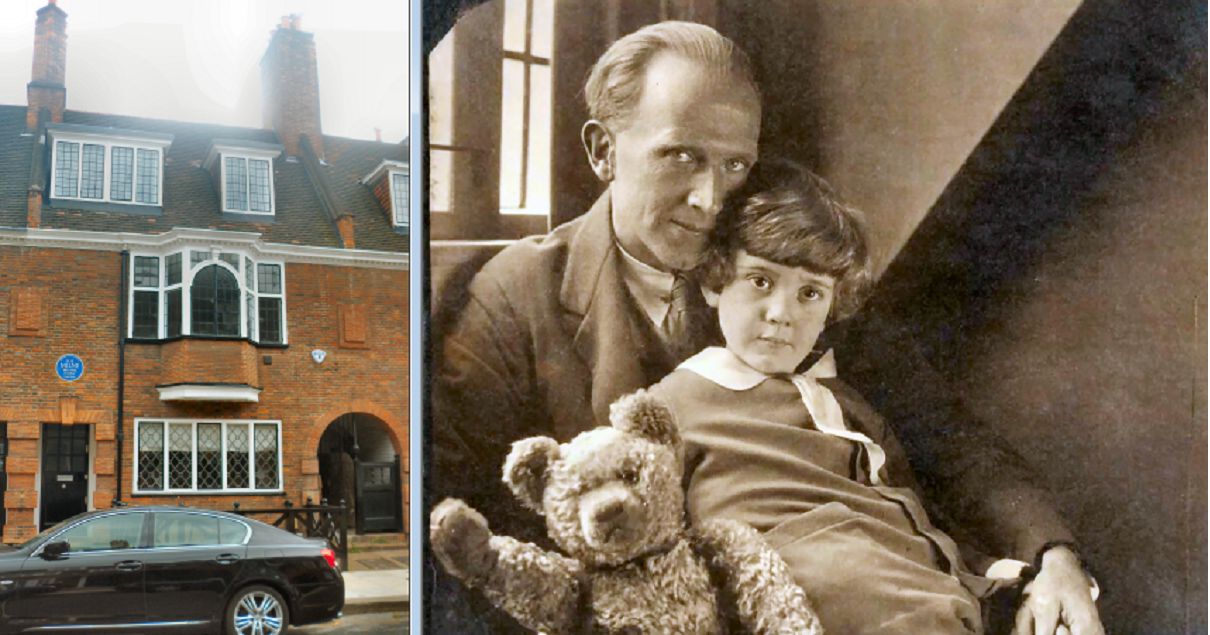
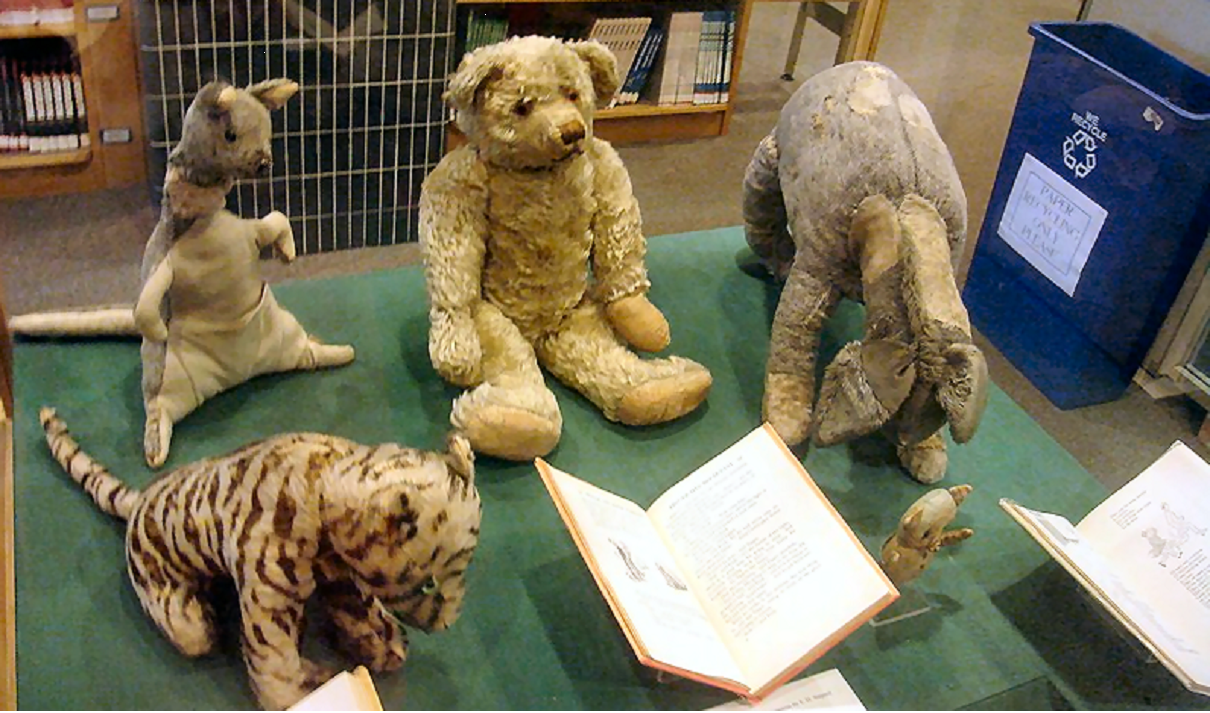
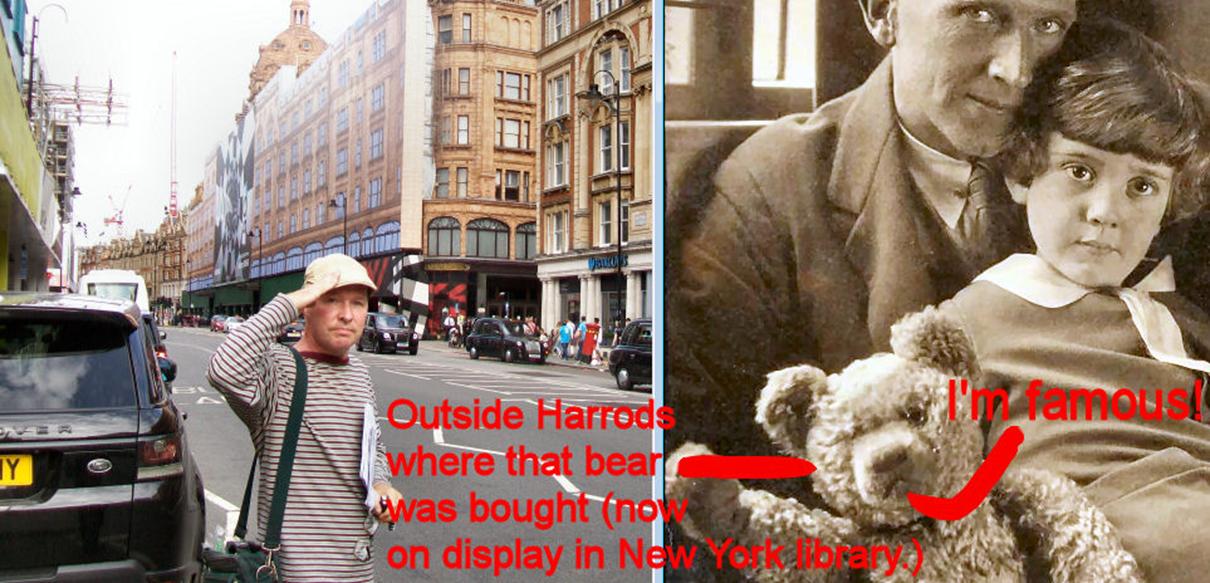
the characters were based on his son's stuffed animals Piglet, Eeyore, Kanga, Roo and Tigger. A fluffy bear named Edward had been bought from
Harrods and in the books he became Winnie. Alan used
to take his son to London zoo where there was a Canadian black bear named Winnie (after Winnipeg) used as a military mascot in World
War I. In his fifties he wrote more novels, screenplays and poetry collections
but only the Pooh books ever took off vertically. Nothing would compare with
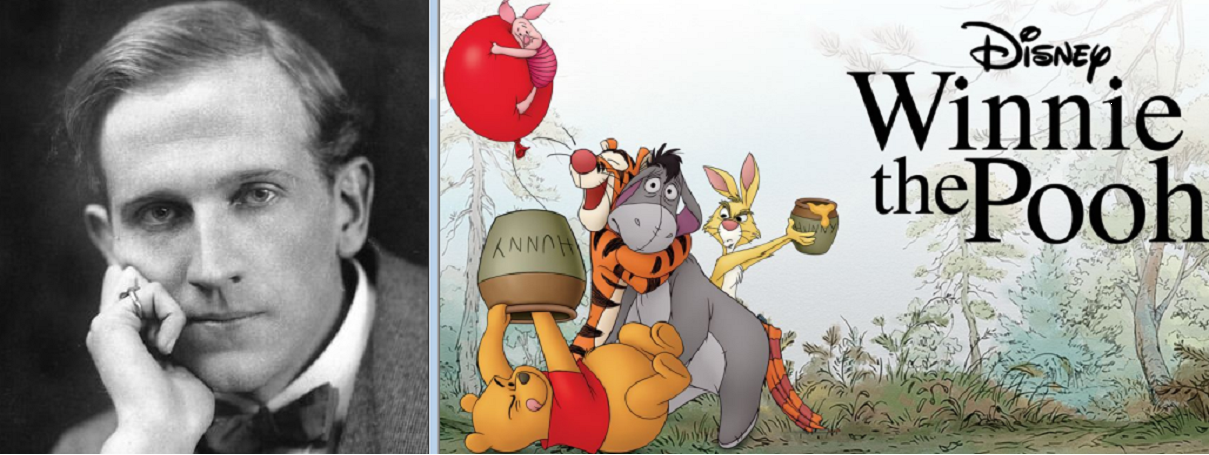
the Pooh books (except Toad of Toad Hall,
an adaptation of author Kenneth Grahame's novel The Wind in the Willows) which ascended to dizzying heights once Walt
Disney bought the rights and transmuted them into films.
Aged 70 Alan had an operation on his brain which went wrong and rendered
him an invalid. Illness lingered for four years and then he died of a stroke at
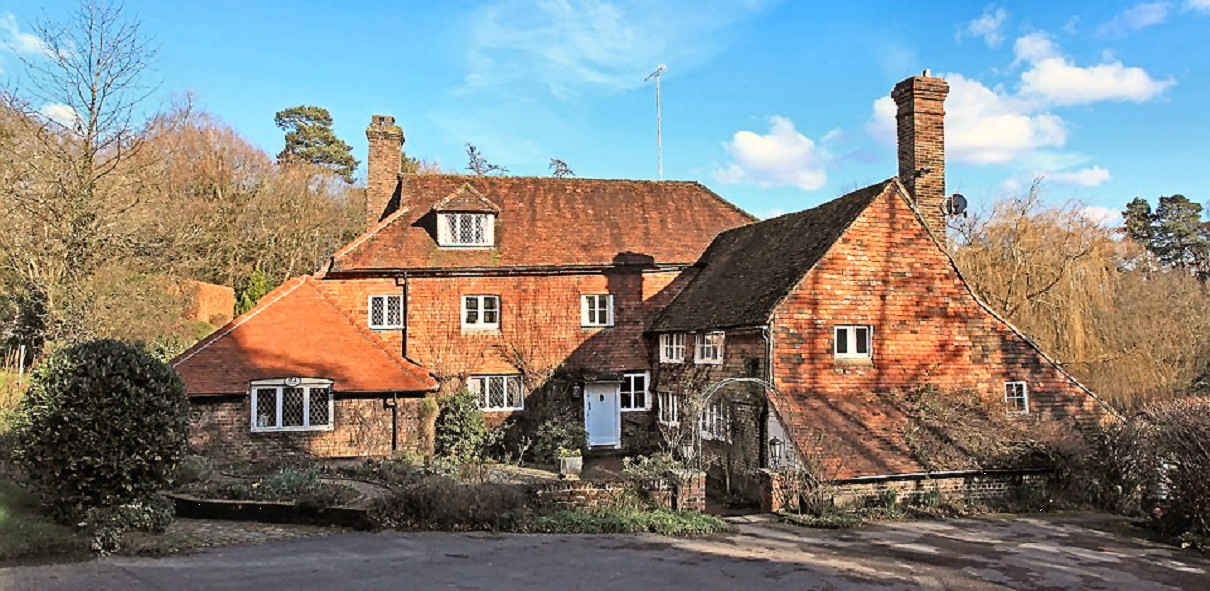
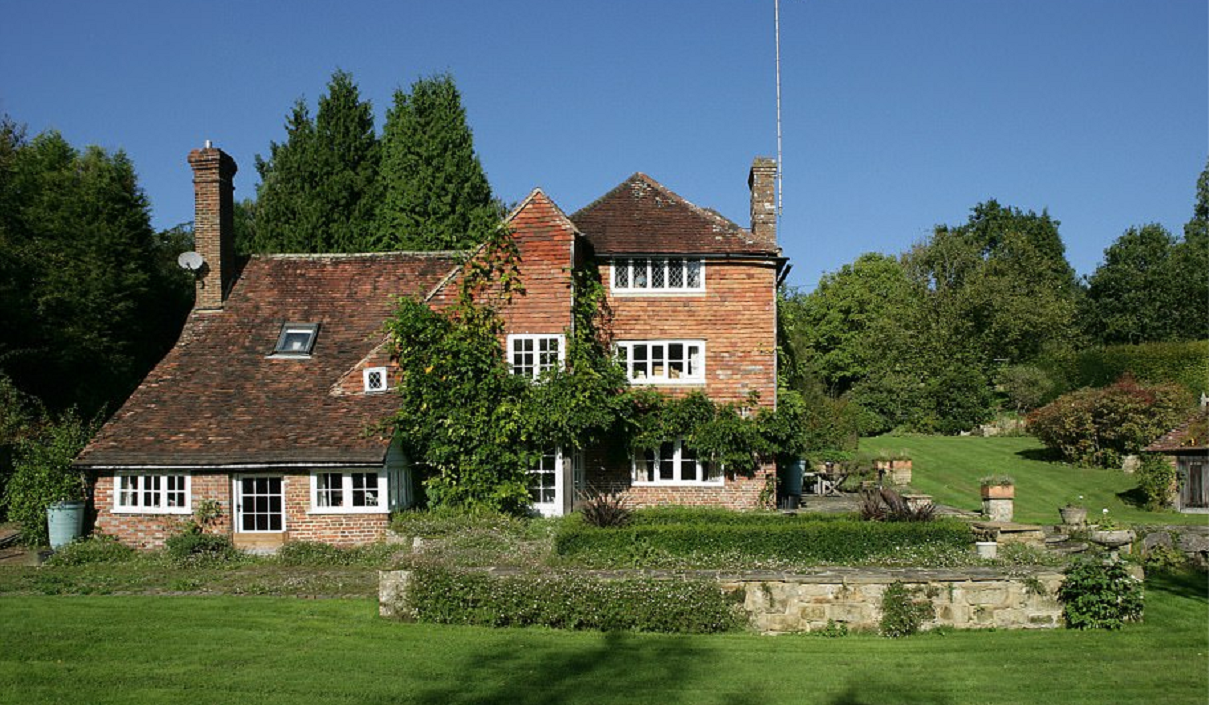
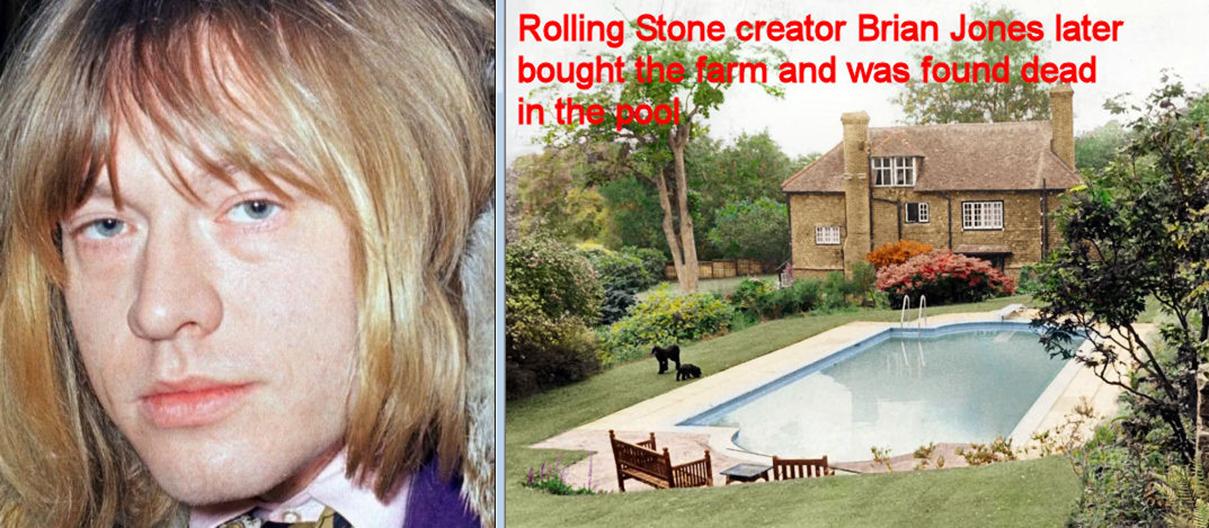
home at Cotchford Farm, their home in the Sussex
countryside (later owned by 27-year-old Rolling Stone Brian Jones who was found
dead in the swimming pool.)
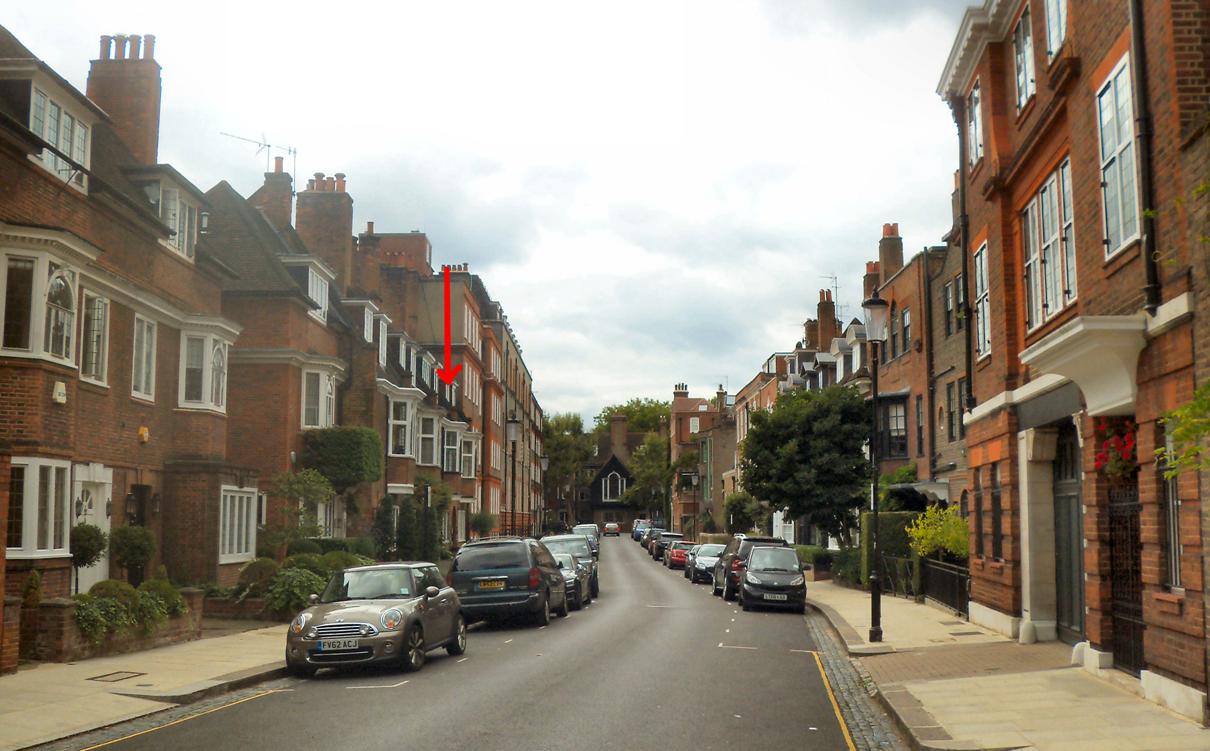
While in Chelsea I thought I’d look for his Alan's former home. It was
a quiet street and empty of people. I walked to the end and back and saw only
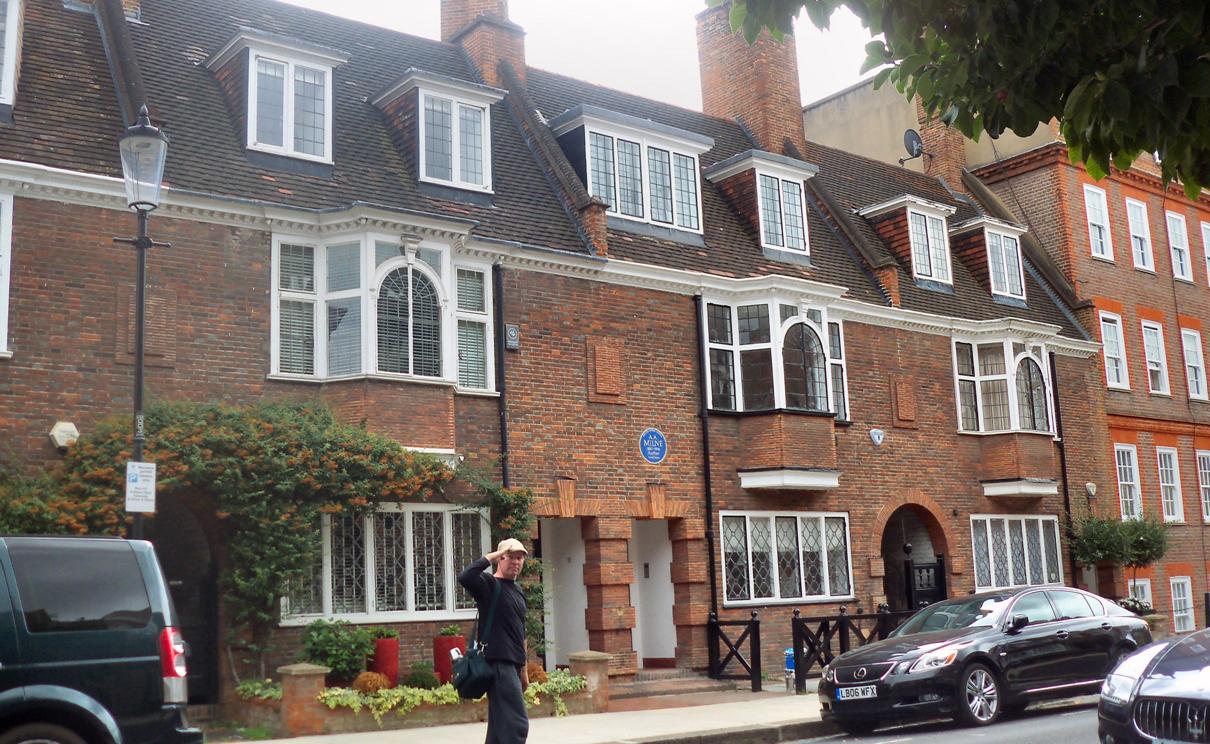
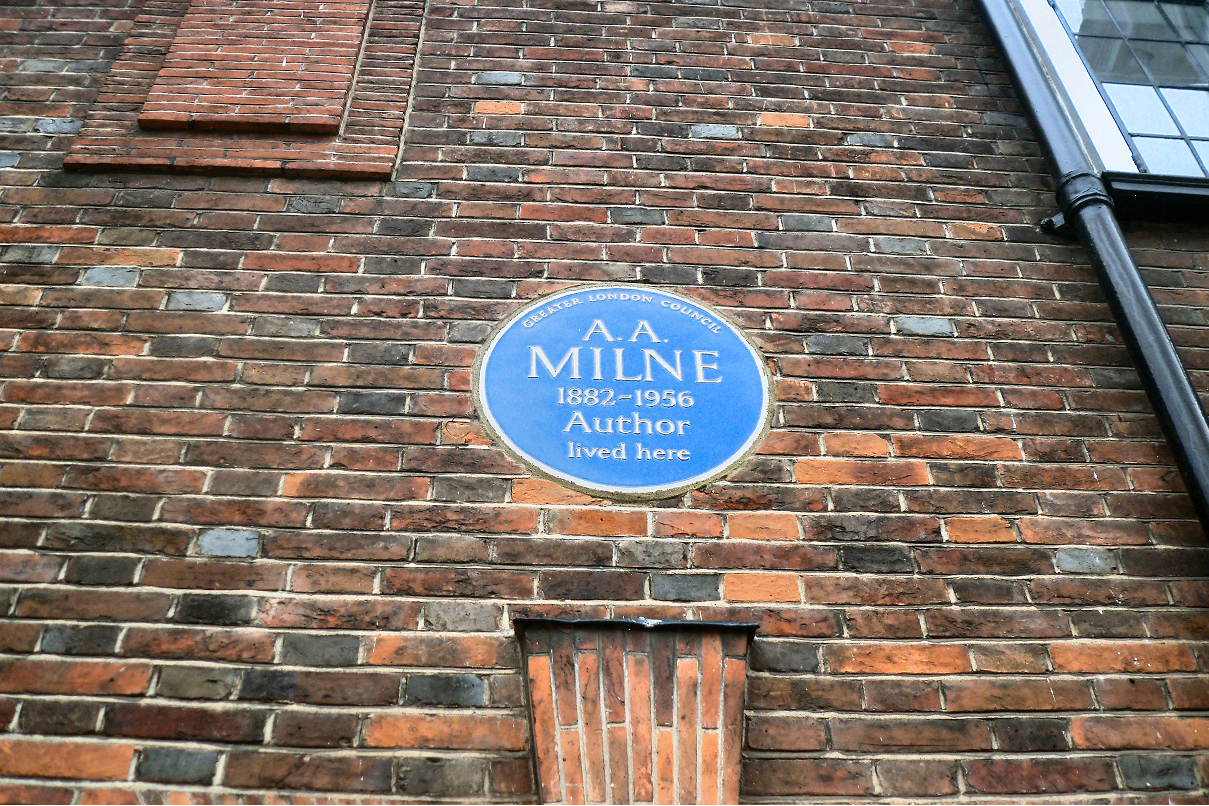
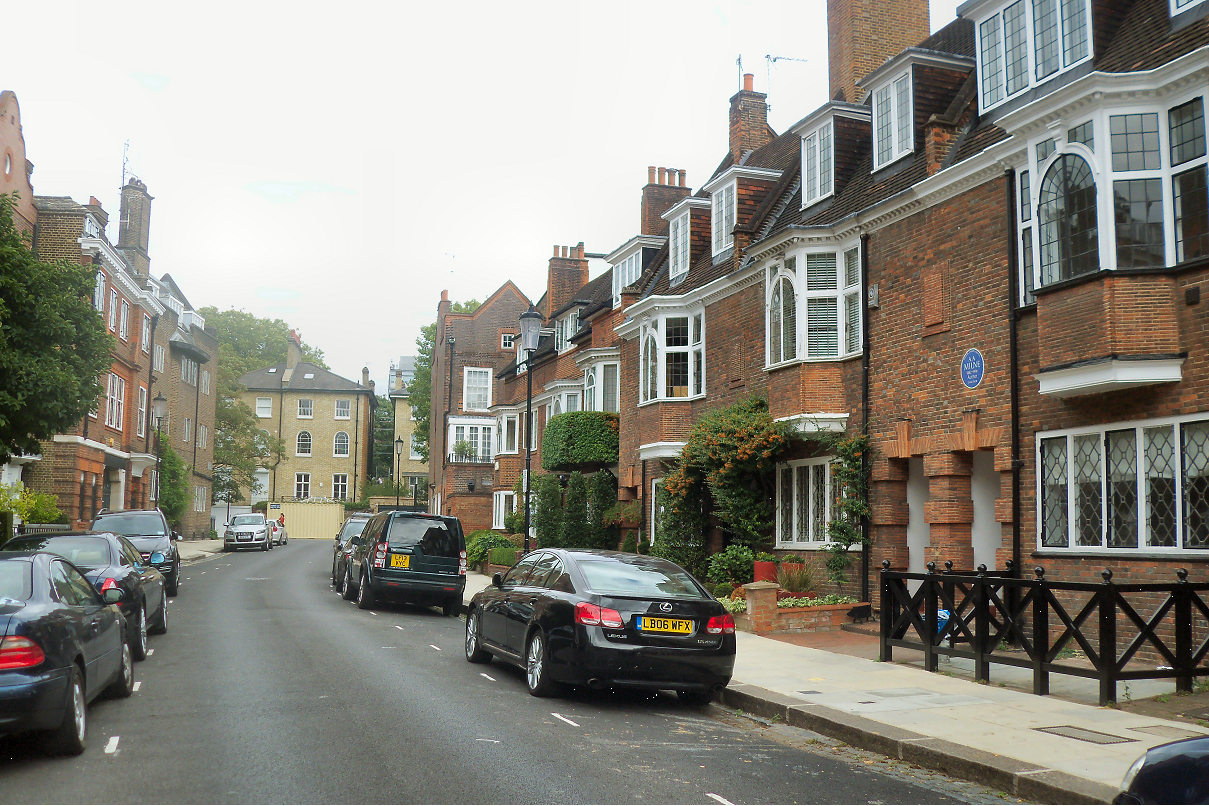
my reflection in windows. I looked at 13 Mallord
Street with the blue plaque on the wall. When Alan was 35 he moved in here with
his wife and son. They stayed for 21 years and the famous Winnie-the-Pooh
books were written here. They'd lived in flats before and were enamoured with
the place writing that it had “an outside personality as well as an inside one”.
I took a few photos of the place and hoped the current owners would
invite me in to see where the scribbling was done (they didn't.) The Milnes were financially comfortable and while living here
bought a large home in the Sussex countryside. This was their base in London
though (the house next door sold £5.5 million in 2019.) I looked up at the
front windows and wondered if Alan had his desk set up next to one of them. Perhaps
if their son Christopher Robin hadn’t been born here Winnie
The Pooh wouldn’t have been born either and Alan would have remained almost
unknown.
Winnie The Pooh is an industry on its
own. The four beneficiaries of Alan's will sold the Pooh rights to Disney $350
million in 2001. It all started here on this quiet street in Chelsea. I did a
salute and left.
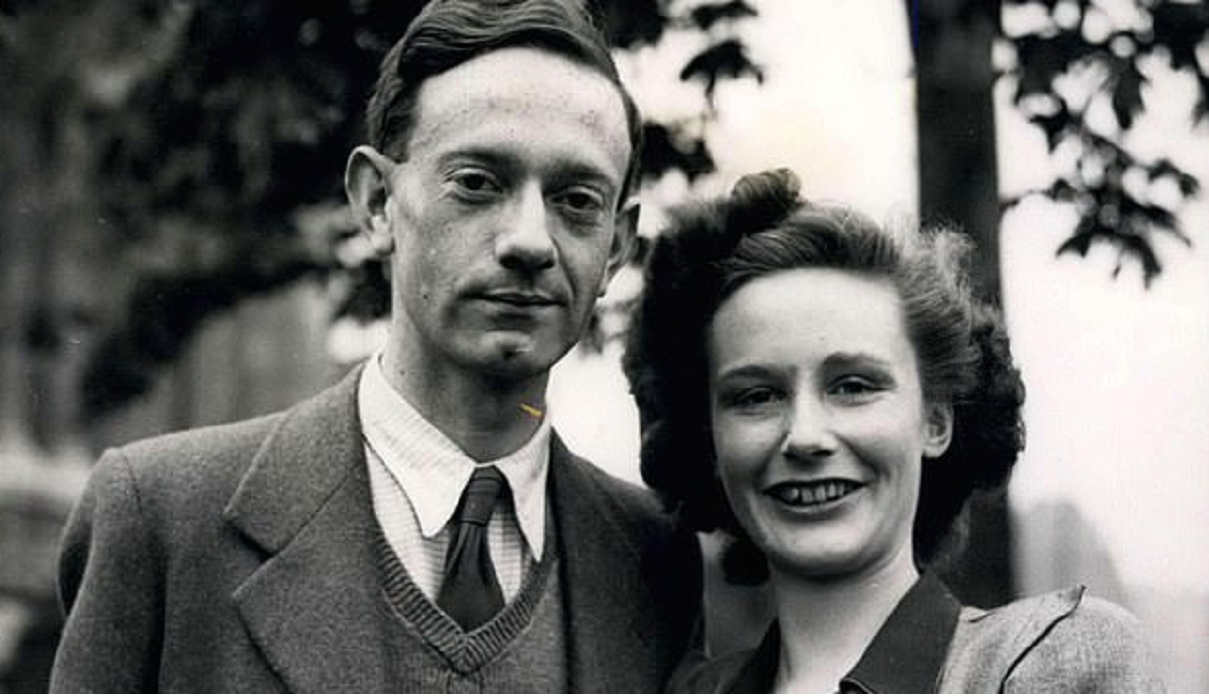
The real Christopher Robin with his wife (and
cousin)...
The stuffed toys
that provided the inspiration…
Cotchford Farm in the Sussex countryside where
Alan lived and died...